
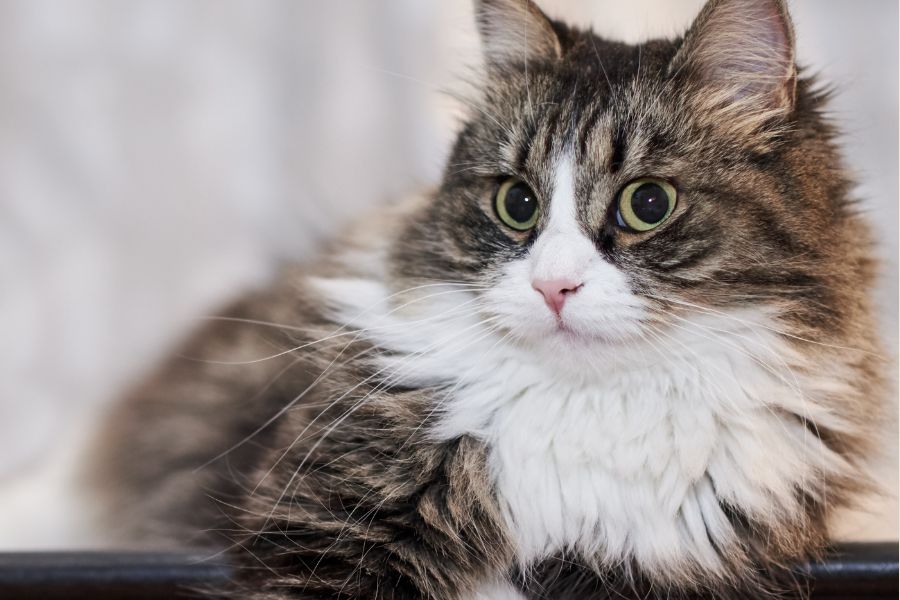
If you’ve ever met a Ragamuffin, you probably noticed one thing right away—they love people. These cats don’t just tolerate attention; they seek it out. But how did this affectionate, plush-coated breed come to be?
The story of the Ragamuffin is not as old as many other breeds, yet it’s rich with careful breeding decisions, passion, and a focus on personality over appearance. Understanding their history helps you appreciate why they behave the way they do today.
Let’s walk through where the Ragamuffin began, how it developed, and what defines the breed now.
The Origins of the Ragamuffin
A Close Connection to the Ragdoll
The Ragamuffin’s story begins in the 1960s with the development of the Ragdoll breed in California. Early breeders focused on creating cats with calm temperaments, large builds, and soft coats.
Over time, disagreements arose among breeders about how the breed should be managed and developed. Some wanted stricter control over breeding lines, while others preferred more flexibility.
This split led to the creation of a new path.
The Birth of the Ragamuffin Identity
In the 1990s, a group of breeders branched off and began developing what would become the Ragamuffin. Their goal was clear:
- Maintain the gentle temperament
- Expand coat colors and patterns
- Improve genetic diversity
Because they could no longer use the “Ragdoll” name, they chose “Ragamuffin” as a new identity. The name reflects a soft, charming, slightly whimsical personality—fitting for the breed.
Early Development and Breeding Goals
Focus on Personality First
From the start, breeders made one thing non-negotiable: temperament. A Ragamuffin had to be friendly, relaxed, and comfortable around people.
Ask yourself—how many cat breeds are known for greeting guests at the door?
That’s exactly the type of behavior breeders aimed to preserve.
Expanding Genetic Diversity
Unlike some breeds that rely on a narrow gene pool, Ragamuffin breeders introduced other domestic long-haired cats into their programs. This approach helped:
- Reduce inherited health risks
- Increase physical variation
- Strengthen overall resilience
It also allowed for more coat colors and patterns, which set the Ragamuffin apart visually from its relatives.
Recognition and Growth of the Breed
Official Recognition
The Ragamuffin gradually gained recognition from cat registries. One of the major milestones came when the breed was accepted by the American Cat Fanciers Association (ACFA), followed by recognition from The International Cat Association (TICA).
This gave the Ragamuffin a place in cat shows and helped establish consistent breed standards.
Establishing Breed Standards
Breed standards define what a Ragamuffin should look and behave like. These include:
- A large, muscular body
- A soft, plush coat
- Round eyes with an expressive look
- A calm and affectionate personality
Unlike many breeds, coat color and pattern are flexible. That’s one of the defining traits of the Ragamuffin today.
Physical Traits: How the Ragamuffin Evolved
A Distinct Appearance
The Ragamuffin has a sturdy frame and a soft, rabbit-like coat. Their fur doesn’t mat as easily as you might expect, which surprises many first-time owners.
Common physical features include:
- Broad chest and strong shoulders
- Medium-long fur with a silky texture
- Full cheeks and a rounded face
- Large, expressive eyes
Coat Variety
One of the biggest differences from related breeds is the wide range of coat colors and patterns. Ragamuffins can be:
- Solid
- Tabby
- Tortoiseshell
- Colorpoint
This variety reflects the breed’s open genetic foundation.
Personality: The Heart of the Ragamuffin
Why Are Ragamuffins So Friendly?
This didn’t happen by chance. Breeders selected cats that showed:
- Trust in humans
- Calm behavior in busy environments
- Strong social bonds
The result is a breed that often follows its owners from room to room.
Ideal for Families and First-Time Owners
The Ragamuffin fits well into many types of homes. They are known for:
- Getting along with children
- Adapting to other pets
- Enjoying indoor living
If you’re looking for a cat that behaves more like a companion than a distant observer, the Ragamuffin stands out.
The Ragamuffin Today
A Modern Companion Cat
Today, the Ragamuffin is valued for companionship above all else. While they can participate in shows, most owners choose them for their personality.
They thrive in environments where they get attention and interaction. Leaving a Ragamuffin alone for long hours may lead to boredom or mild anxiety.
Health and Longevity
Thanks to thoughtful breeding, Ragamuffins are generally healthy. Still, like all breeds, they benefit from:
- Regular veterinary checkups
- Balanced nutrition
- Routine grooming
Their lifespan typically ranges from 12 to 16 years with proper care.
If you’re considering adding one to your home, it’s wise to visit our website or consult a trusted veterinary professional for guidance on care and preparation.
How the Breed Continues to Evolve
Responsible Breeding Practices
Modern breeders continue to focus on:
- Maintaining a gentle temperament
- Avoiding genetic health issues
- Preserving physical traits
This ensures that the Ragamuffin remains consistent in both appearance and behavior.
Growing Popularity
While not as widely known as some breeds, the Ragamuffin is steadily gaining recognition. More families are discovering:
- Their easygoing nature
- Their adaptability
- Their strong emotional connection with humans
This gradual rise reflects genuine appreciation rather than passing trends.
Is a Ragamuffin the Right Cat for You?
Before choosing any breed, it helps to ask a few honest questions:
- Do you want a cat that seeks constant interaction?
- Can you provide regular grooming and attention?
- Are you prepared for a long-term commitment?
A Ragamuffin is not a low-engagement pet. They form strong bonds and expect to be part of your daily life.
Conclusion: A Breed Built on Connection
The history of the Ragamuffin is not just about breeding—it’s about intention. From its origins as a branch of another breed to its recognition as a unique companion, every step focused on creating a cat that connects deeply with people.
Today, the Ragamuffin stands as a reminder that personality matters just as much as appearance. Their calm nature, affectionate behavior, and adaptable lifestyle make them a strong choice for many households.
If you’re considering bringing a Ragamuffin into your home, take time to learn, prepare, and choose responsibly. The right start makes all the difference in building a lasting bond.
Final Thought
Choosing a cat is not just about looks—it’s about lifestyle compatibility. The Ragamuffin offers warmth, companionship, and a steady presence. If that’s what you’re looking for, this breed may be the perfect match.
Frequently Asked Questions (FAQs)
1. What is the origin of the Ragamuffin cat?
A: The Ragamuffin originated in the 1990s when breeders split from the Ragdoll breeding program and developed a new breed with expanded traits and genetic diversity.
2. Are Ragamuffins related to Ragdolls?
A: Yes, the Ragamuffin shares a common ancestry with the Ragdoll but was developed as a separate breed with different standards and more coat variations.
3. What makes the Ragamuffin unique?
A: Their friendly personality, plush coat, and wide variety of colors set them apart from many other cat breeds.
4. Are Ragamuffins good for families?
A: Yes, they are known for being gentle, patient, and adaptable, making them a great fit for families with children and other pets.
5. How much grooming does a Ragamuffin need?
A: They require regular brushing, usually once or twice a week, to keep their coat clean and prevent tangles.
6. Do Ragamuffins require a lot of attention?
A: Yes, they thrive on interaction and companionship. They do best in homes where they are not left alone for long periods.

Ready to see us?
We proudly bring lifelong wellness to the pets of Skaneateles, Marcellus, Tully, Lafayette, and beyond. Easily request an appointment for your pet using our online system!