
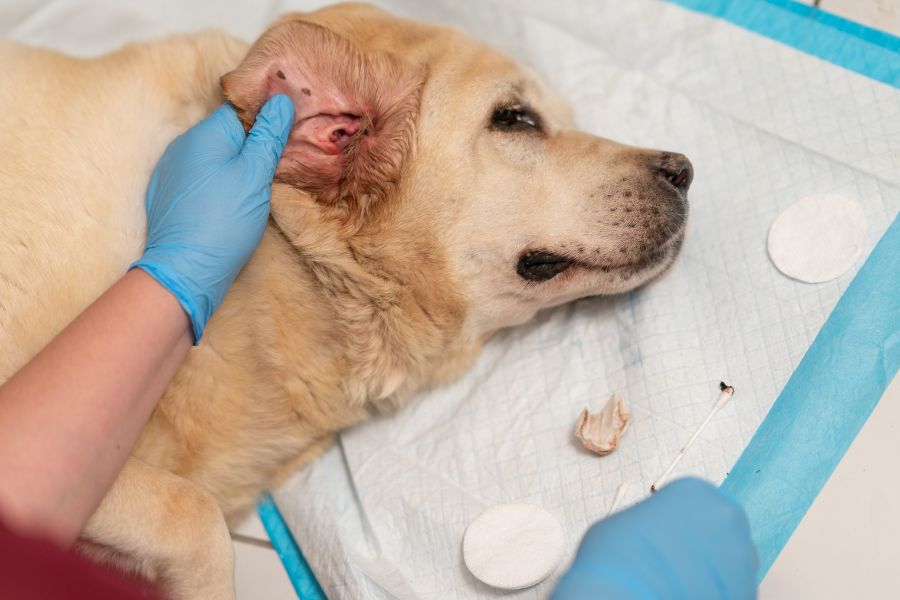
Pet allergies can affect comfort, sleep, mood, and daily routines for both pets and owners. Many cats and dogs struggle with itching, licking, ear irritation, hair loss, and recurring skin problems that never seem to disappear. Food ingredients, pollen, fleas, dust, mold, and cleaning products may all trigger allergic reactions. This blog explains common causes of pet allergies, warning signs that should never be ignored, practical treatment options, and ways to reduce future flare-ups at home. Readers will also learn how diet, grooming habits, and regular checkups can support healthier skin throughout the year in Marcellus.
What Causes Pet Allergies?
Pet allergies develop when the immune system reacts to substances that are usually harmless. Some pets inherit sensitive skin, while others develop allergies over time because of environmental exposure.
Common Allergy Triggers
- Flea bites and flea saliva
- Pollen from grass, weeds, and trees
- Dust mites and mold
- Certain proteins in food
- Household sprays and detergents
- Smoke and seasonal irritation
Dogs and cats may react differently to each trigger. Some pets experience constant itching, while others show digestive upset or ear irritation.
Signs of Recurring Skin Problems
Recurring skin problems often start with mild itching and gradually become more noticeable. Many owners mistake early symptoms for dry skin or seasonal shedding.
Symptoms That Need Attention
- Excessive scratching
- Red or inflamed skin
- Hair thinning or bald patches
- Constant licking of paws
- Darkened skin areas
- Unpleasant skin odor
- Repeated ear infections
Skin irritation can become painful when left untreated. Scratching damages the skin barrier and increases the risk of infection.
How Allergies Affect Daily Life
Chronic itching can interrupt sleep, lower activity levels, and affect appetite. Pets with ongoing allergies may become restless, anxious, or withdrawn. Some animals avoid play because movement worsens discomfort. Recurring skin problems also create stress for owners. Frequent baths, cleaning, medication schedules, and unexpected flare-ups can become frustrating without a long-term management plan.
Treatment Options for Pet Allergies
Every pet responds differently to allergy treatment. A clear plan combines medical support, environmental changes, and routine skin care.
Professional Allergy Support
A physical examination helps identify causes of itching and inflammation. Skin testing, food trials, and flea prevention reviews may also help narrow down triggers. Some pets benefit from allergy medication that reduces itching and irritation. Others may need medicated shampoos, ear cleaners, or supplements that improve skin health.
Home Care Tips
- Wash pet bedding weekly
- Vacuum carpets and furniture often
- Use gentle grooming products
- Keep fleas under control year-round
- Wipe paws after outdoor walks
- Avoid strongly scented cleaning products
Simple home adjustments can reduce exposure to common allergens and support healthier skin.
The Importance of Diet
Food allergies may contribute to recurring skin problems in some pets. Beef, chicken, dairy, soy, and wheat are common triggers. Elimination diets help identify ingredients that may be causing irritation. Balanced nutrition supports skin repair and coat quality. Omega fatty acids may also help reduce dryness and inflammation in certain pets. Owners should avoid changing foods too frequently without guidance. Sudden diet changes can confuse the process of identifying allergy triggers.
Preventing Future Flare Ups
Long-term allergy management focuses on consistency. Small habits often make the biggest difference over time.
Prevention Strategies
- Schedule regular wellness visits
- Stay consistent with flea prevention
- Monitor changes in skin appearance
- Brush coats regularly
- Keep indoor spaces clean
- Watch for seasonal flare-ups
Early treatment reduces discomfort and helps prevent recurring infections or severe irritation.
Conclusion
Managing pet allergies requires patience, observation, and consistent care. Recognizing symptoms early and reducing exposure to common triggers can improve comfort and quality of life for many pets. At Lake Country Veterinary Care, we provide compassionate guidance, personalized skin care support, and treatment plans designed to help pets feel comfortable again. If you are located near Marcellus, connect with our team for trusted care where community support and compassion remain part of your pet’s wellness journey.
Frequently Asked Questions(FAQs):
1. Can pets develop allergies later in life? A: Yes. Some pets show allergy symptoms during adulthood even if they never had skin problems before. Environmental exposure, food sensitivities, and seasonal changes may slowly trigger reactions that become more noticeable over time. 2. Are recurring ear infections linked to allergies? A: Recurring ear infections are commonly connected to pet allergies. Inflammation inside the ears creates irritation, moisture buildup, and discomfort. Proper allergy management often helps reduce repeated ear problems and improves comfort for many pets. 3. How can I tell if my pet has food allergies? A: Food allergies often cause itching, licking, ear irritation, digestive upset, or recurring skin problems. A controlled elimination diet supervised by a professional can help identify ingredients that may be causing allergic reactions in pets. 4. Do certain dog breeds experience more skin allergies? A: Yes. Some breeds have more sensitive skin and may develop allergies more easily. Genetics, coat type, and environmental exposure all influence how frequently skin irritation and itching appear throughout a pet’s life. 5. Can regular bathing help reduce pet allergies? A: Regular bathing with gentle products may remove allergens, reduce itching, and support cleaner skin. Overbathing can dry the skin, so pets should follow a bathing schedule recommended for their coat type and condition. 6. When should I seek professional help for itching?
A: Persistent scratching, hair loss, redness, odor, or repeated infections should never be ignored. Early treatment can prevent worsening discomfort and help identify the underlying cause before skin problems become more severe.




Ready to see us?
We proudly bring lifelong wellness to the pets of Skaneateles, Marcellus, Tully, Lafayette, and beyond. Easily request an appointment for your pet using our online system!