
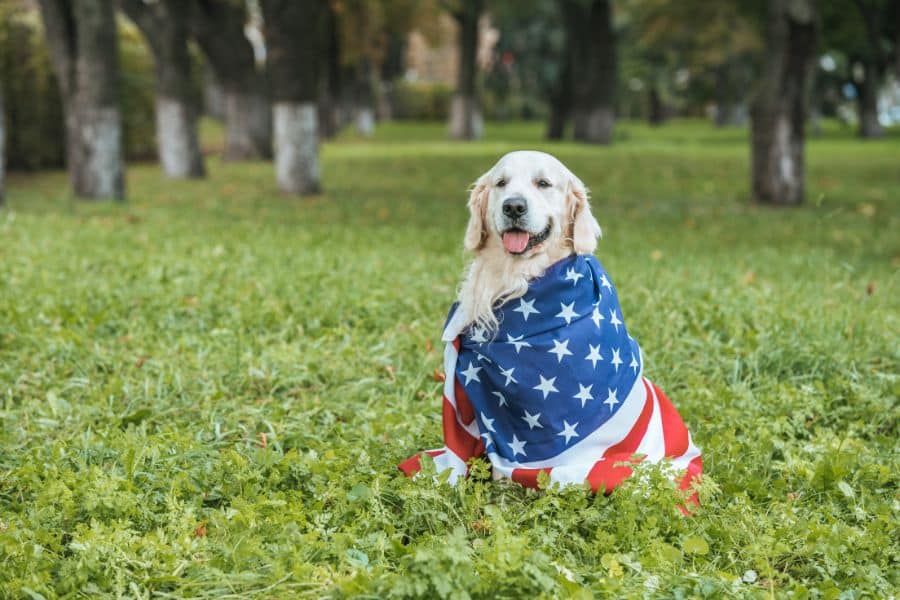
The 4th of July is a joyful celebration filled with fireworks, family gatherings, and outdoor fun. For pets, the experience can feel frightening. Loud explosions often cause panic, leading many dogs and cats to run away in search of safety. Animal shelters across the country report a sharp increase in lost pets immediately after Independence Day, making it one of the busiest times of the year.
This guide explains what happens to lost pets after the holiday, why they disappear, practical ways to protect them, and what to do if your companion goes missing. Taking simple precautions before and during the celebration can greatly improve your pet’s safety and help you enjoy a worry-free holiday in Marcellus.
Why So Many Pets Go Missing After the 4th of July
Fireworks create loud, unfamiliar sounds that many pets cannot understand. Their natural response is to escape from what they believe is danger. Even calm pets may jump fences, squeeze through gates, or bolt through an open front door when startled.
Several factors increase the risk of a lost pet after the 4th of July, including:
- Loud fireworks close to home
- Visitors leaving doors or gates open
- Outdoor celebrations with distractions
- Unsecured collars or harnesses
- Anxiety caused by unfamiliar activities
Dogs often run long distances during fireworks. Cats may hide silently for several days before returning home or being found.
What Happens to Lost Pets After Independence Day?
Thousands of pets are found wandering neighborhoods every year after the holiday. Many eventually arrive at local shelters or are brought in by kind neighbors.
Once found, several outcomes are possible.
1. They Are Taken to a Shelter
Animal shelters scan pets for microchips and check identification tags. Pets with current contact information have a much better chance of being reunited with their families quickly.
2. They Stay Hidden
Some frightened pets hide under porches, inside garages, in wooded areas, or empty buildings. They may stay close to home while remaining too scared to come out immediately.
3. They Are Found by Community Members
Neighbors frequently post photos of found animals on local community groups and neighborhood pages. Quick action from pet owners often leads to successful reunions.
4. They Continue Wandering
Without identification, some pets travel farther from home each day, making recovery more difficult. Early searching remains one of the most important factors in bringing a pet home safely.
How to Protect Your Pet Before Fireworks Begin
Preparation makes a significant difference during holiday celebrations.
1. Keep Pets Indoors
Bring pets inside well before fireworks begin. Close windows, curtains, and pet doors to reduce outside noise and prevent escapes.
2. Update Identification
Every pet should wear a collar with readable identification tags. A registered microchip provides another layer of protection if the collar comes off.
3. Create a Safe Space
Choose a quiet room with familiar bedding, toys, and fresh water. Playing calming music or keeping the television on may help reduce startling sounds.
4. Exercise Earlier in the Day
A long walk or active play session before festivities begin can help dogs release energy and settle more comfortably indoors during the evening.
5. Inform Guests
Ask family members and visitors to keep doors and gates closed. Many holiday escapes happen because someone accidentally leaves an entrance open.
Signs Your Pet Is Feeling Scared
Recognizing stress early allows you to respond before panic develops.
Common signs include:
- Heavy panting
- Trembling
- Hiding
- Pacing around the house
- Barking or whining excessively
- Trying to escape through doors or windows
- Refusing food or treats
Stay calm and offer reassurance without forcing interaction. Many pets simply want a quiet place where they feel secure.
What to Do Immediately If Your Pet Goes Missing
Fast action increases the chance of finding a missing dog or a missing cat.
1. Search Nearby First
Walk around your neighborhood while calmly calling your pet’s name. Bring favorite treats or toys that may encourage them to come out from hiding.
2. Contact Local Shelters
Notify nearby shelters as soon as possible. Provide recent photos, your contact information, and a detailed description of your pet.
3. Post Clear Photos Online
Share current pictures on neighborhood social media groups and local lost-and-found pet pages. Include where your pet was last seen and any identifying features.
4. Check Daily
Visit shelters in person whenever possible and continue checking listings. Some pets arrive several days after going missing.
Long-Term Safety Tips for Every Holiday
Holiday planning should include your pet every year.
Keep identification current throughout the year. Practice recall commands regularly with dogs. Inspect fences for gaps before celebrations. Transport pets securely during travel. Schedule routine wellness visits to discuss anxiety concerns if your pet consistently struggles during fireworks or thunderstorms.
Small preparations today may prevent a heartbreaking search tomorrow.
Conclusion
The days following the 4th of July bring a noticeable rise in lost pets, yet many of these situations are preventable with thoughtful planning. Keeping pets indoors, maintaining updated identification, creating a calm environment, and acting quickly if they disappear all improve the chances of a safe holiday. If your pet shows ongoing fear during fireworks, book an appointment to discuss practical ways to keep future celebrations less stressful. If you’re located in Marcellus, reach out to Lake Country Veterinary Care, where compassionate care and a strong commitment to the community help support your pet’s health, safety, and overall well-being.
Frequently Asked Questions(FAQs):
1. Why do so many pets go missing after the 4th of July?
A: Fireworks create loud, unexpected noises that trigger fear in many pets. Even well-trained animals may panic, escape through open doors or fences, and become disoriented while trying to find a quiet, safe place.
2. How can I keep my pet safe during fireworks?
A: Keep your pet indoors before fireworks begin, provide a quiet room, update identification tags, confirm microchip information is current, and remind guests to keep doors and gates securely closed throughout the celebration.
3. Should my pet wear identification even indoors?
A: Yes. Pets can unexpectedly escape during holiday gatherings when visitors enter and leave frequently. A collar with identification and an updated microchip greatly improves the chances of a fast reunion if they get outside.
4. What should I do first if my pet goes missing?
A: Begin searching nearby immediately, contact local shelters, notify neighbors, and post clear, recent photos on local lost-and-found community pages. Acting quickly gives you the best chance of finding your pet safely.
5. How long do lost pets usually stay near home?
A: Many frightened pets hide within a short distance of home for the first day or two. Others may wander farther if startled repeatedly. Early searches around familiar hiding places often produce the best results.
6. Can pets recover from fireworks anxiety?
A: Yes. Many pets improve with gradual training, environmental changes, and individualized guidance. Planning before future holidays helps reduce stress and lowers the risk of escape during fireworks and other loud celebrations.
Related Articles

By Lake Country Veterinary Care

Ready to see us?
We proudly bring lifelong wellness to the pets of Skaneateles, Marcellus, Tully, Lafayette, and beyond. Easily request an appointment for your pet using our online system!