
Healthy teeth and gums support more than fresh breath for pets. Dental problems can lead to pain, difficulty eating, infections. Many dogs and cats develop oral disease before owners notice symptoms. Regular dental exams, cleanings, and home care help prevent discomfort and support long-term health.
This blog explains how dental services improve comfort, protect internal health, reduce future treatment costs, and help pets enjoy a better quality of life. Pet owners searching for trusted guidance in Marcellus can learn how consistent dental attention benefits animals through every life stage.
Why Dental Health Matters for Pets
Dogs and cats use their mouths constantly. They chew toys, eat meals, groom themselves, and explore their surroundings. Plaque and tartar build up over time and create irritation around the gums. Bacteria may spread below the gumline and affect nearby tissues.
Many pets hide discomfort well. Owners often mistake signs of oral pain for normal aging. Slower eating, chewing on one side, pawing at the mouth, and bad breath may point to dental disease. Without treatment, damaged teeth and infected gums can create lasting pain.
Routine checkups give veterinarians the chance to identify concerns before they become severe. Professional cleanings remove buildup that brushing alone cannot address.
Signs Your Pet May Need Dental Attention
1. Persistent Bad Breath
Bad breath that continues after meals may signal bacteria buildup or gum disease. Strong odor often appears before visible dental damage develops.
2. Changes in Eating Habits
Pets with oral discomfort may avoid dry food, drop food while chewing, or lose interest in treats they previously enjoyed.
3. Red or Bleeding Gums
Swollen gums, bleeding, and visible tartar near the teeth usually indicate irritation that needs prompt attention.
4. Behavioral Changes
Pain can affect mood and energy levels. Some pets become withdrawn, restless, or sensitive around the face and mouth.
How Dental Care Supports Overall Health
Oral health connects closely with whole-body wellness. Harmful bacteria from infected gums may enter the bloodstream and place stress on internal organs. Dental disease has been linked with heart, kidney, and liver concerns in pets.
Professional cleanings help reduce bacterial growth and inflammation. Healthy gums create a stronger barrier against infection. Pets with cleaner teeth often experience improved appetite, better energy, and more comfortable chewing.
Preventive services also reduce the need for advanced procedures later. Treating dental disease early may prevent tooth loss and serious infections requiring extensive treatment.
Home Care Makes a Difference
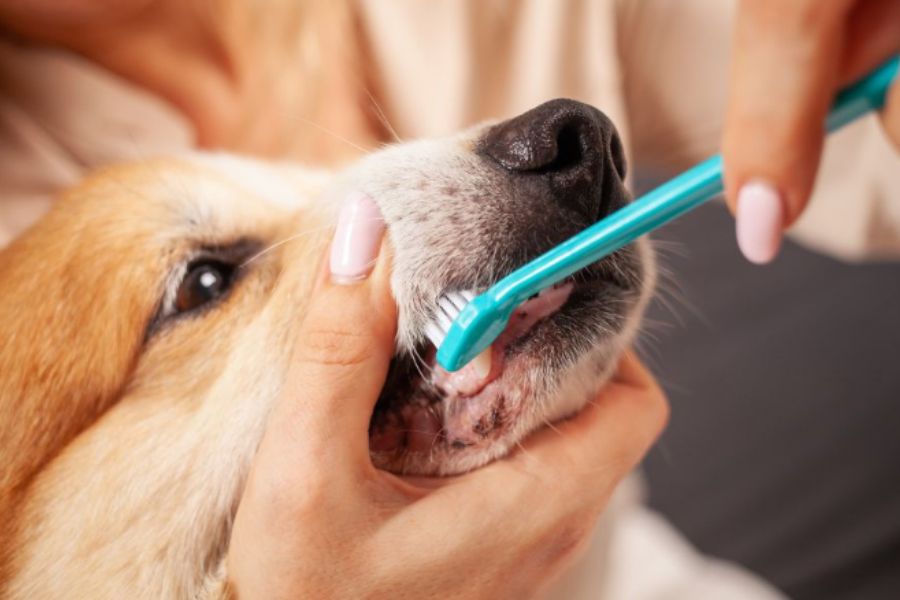
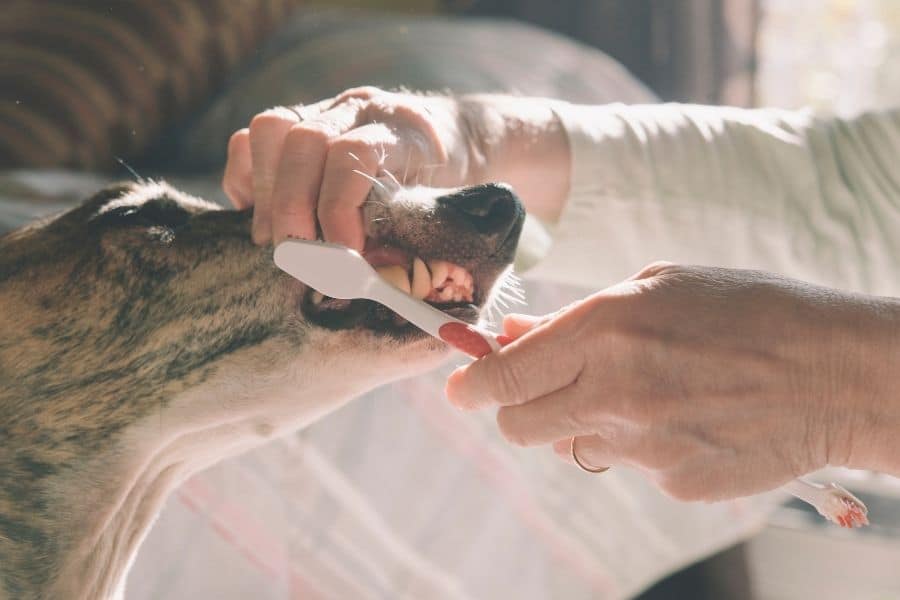
Professional treatment works best when paired with good habits at home. Brushing a pet’s teeth several times each week helps reduce plaque accumulation. Dental chews, approved diets, and chew toys may support oral hygiene.
Pet owners should ask their veterinarian about effective products for their dog or cat. Reliable guidance helps families choose safe options that match their pet’s needs. Learning about proper pet dental care also helps owners recognize early warning signs before problems worsen.
Cats may need a slower introduction to brushing routines. Positive reinforcement and patience often help pets feel more comfortable during daily care sessions.
What Happens During a Dental Visit
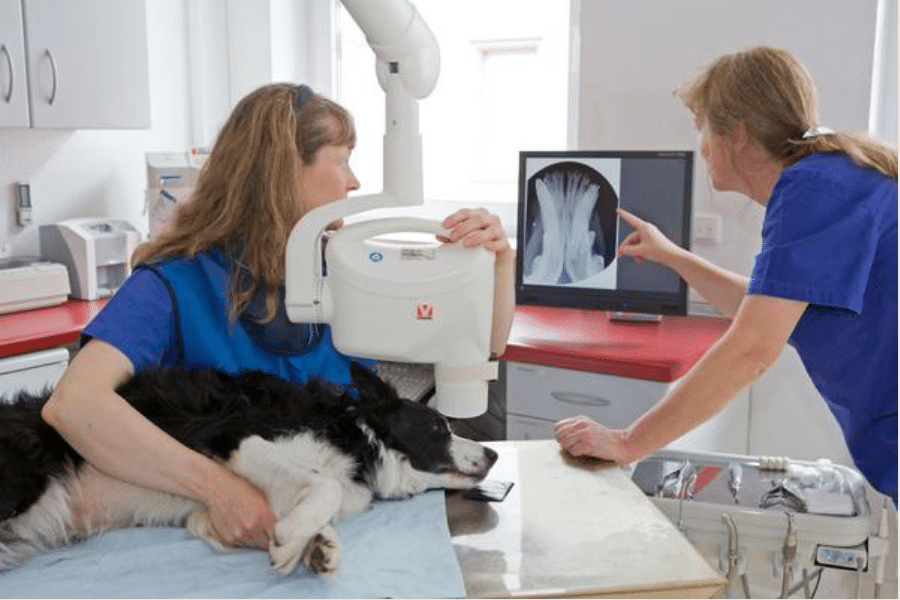
Dental appointments usually begin with a physical exam. The veterinarian checks the teeth, gums, and mouth for signs of disease or injury. Many pets receive dental X-rays to evaluate areas below the gumline that cannot be seen during a routine exam.
Professional cleanings remove plaque and tartar from the tooth surface. Polishing helps smooth the teeth and reduce future buildup. If damaged teeth or infections are present, treatment recommendations are discussed with the owner before additional care is provided.
Conclusion
Dental health affects comfort, behavior, nutrition, and overall wellness in dogs and cats. Regular exams and cleanings help pets avoid unnecessary pain and support healthier daily routines. At Lake Country Veterinary Care, we provide compassionate dental services designed to support cleaner teeth, healthier gums, and a better quality of life for pets and the families who love them.
If you’re located in Marcellus, our team welcomes you to connect with a facility where compassionate care and support work together for your pet’s well-being.
Frequently Asked Questions(FAQs):
1. How often should pets receive professional dental cleanings?
A: Most dogs and cats benefit from yearly dental exams and cleanings. Some breeds with crowded teeth or existing dental disease may require more frequent visits to maintain healthy gums and reduce painful infections affecting eating habits.
2. Can dental disease shorten a pet’s lifespan?
A: Untreated dental disease may contribute to infections and organ strain over time. Bacteria from unhealthy gums can enter the bloodstream and affect overall wellness. Early dental treatment helps protect comfort and encourages a healthier life for pets.
3. Are dental cleanings safe for older pets?
A: Senior pets can safely receive dental treatment when proper evaluations are completed beforehand. Physical exams, bloodwork, and monitoring help veterinarians understand each pet’s condition and create a safe treatment plan supporting comfort and long-term oral health.
4. What causes bad breath in dogs and cats?
A: Persistent bad breath often develops from plaque, tartar, or gum disease. Food particles and bacteria collect around the teeth and create odor over time. Regular brushing, professional cleanings, and routine exams help improve oral health and reduce odor.
5. Is brushing really necessary for pets?
A: Brushing remains one of the most effective ways to control plaque between professional cleanings. Consistent brushing supports healthier gums, fresher breath, and cleaner teeth. Pet owners should use toothbrushes and toothpaste designed specifically for dogs and cats.
6. At what age should pets start dental care?
A: Dental care should begin early so that pets become comfortable with handling and brushing routines. Puppies and kittens benefit from early exams that identify developmental concerns and help owners establish healthy habits supporting lasting long-term oral wellness.

Ready to see us?
We proudly bring lifelong wellness to the pets of Skaneateles, Marcellus, Tully, Lafayette, and beyond. Easily request an appointment for your pet using our online system!