
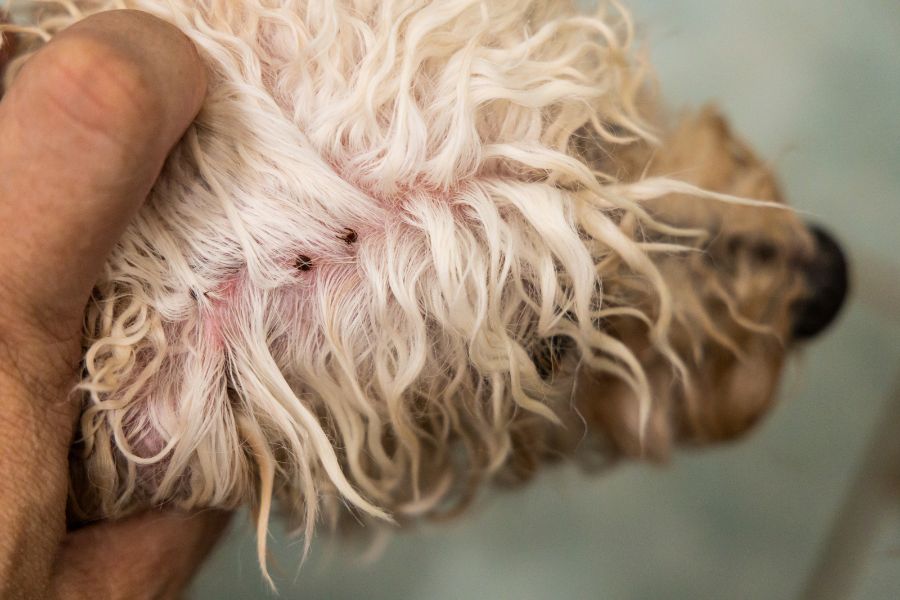
Fleas can turn a comfortable home into a stressful place almost overnight. These tiny pests multiply fast, cause constant itching for your dog, and can spread throughout your home before you realize what’s happening. Acting quickly is the key to stopping an infestation before it gets worse.
If you’re wondering what to do if your dog has fleas, this guide walks you through the fastest, most effective ways to eliminate fleas on your dog and in your living space—while keeping your pet safe and comfortable.
Understanding the Flea Problem
Fleas are not just a surface issue. They have a life cycle that includes eggs, larvae, pupae, and adults. Adult fleas live on your dog, but eggs and larvae fall into carpets, furniture, and bedding. That’s why treating your dog alone won’t solve the problem.
A single flea can lay dozens of eggs daily. Within days, your home can become a breeding ground.
Key takeaway: You must treat both your dog and your environment at the same time.
How to Tell Your Dog Has Fleas
Before you treat anything, confirm you’re dealing with fleas. Dogs scratch for all kinds of reasons, so a quick check saves time.
Signs to Look For:
- Constant scratching, biting, or licking — especially around the neck, belly, and base of the tail.
- Flea dirt — small black or reddish-brown specks in the coat. Put some on a damp white paper towel; if they turn red, it’s flea feces (digested blood).
- Visible fleas — brown, fast-moving specks roughly the size of a sesame seed.
- Hair loss or red, irritated skin — often triggered by flea allergy dermatitis, a common reaction.
- Pale gums — in puppies or small dogs, a heavy infestation can cause mild anemia.
Quick Check:
Run a fine-toothed flea comb through your dog’s coat over a white surface. If you see tiny dark specks or actual fleas fall out, you have your answer.
What to Do If Your Dog Has Fleas — Right Now
Speed matters here. The moment you confirm fleas, every hour of delay means more eggs in your carpet and furniture. Here’s what to do if your dog has fleas within the first few hours of discovery.
01. Isolate the affected dog temporarily
Keep your dog away from furniture, bedding, and other pets while you gather supplies. This slows how quickly eggs spread through the house.
02. Give your dog a flea bath immediately
Dish soap (like Dawn) mixed with warm water kills live fleas on contact. Lather thoroughly, wait five minutes, then rinse well. This is a temporary first step — not a long-term treatment.
03. Comb out dead and live fleas
Use a fine-toothed flea comb from head to tail. Dip the comb in soapy water after each pass to kill any fleas removed.
04. Strip and wash your dog’s bedding
Hot water (at least 130°F) kills fleas at every life stage. Wash everything your dog regularly touches — blankets, your bedding, too, sofa covers if removable.
05. Start vacuuming immediately
Vacuum all floors, rugs, baseboards, and furniture. Empty the canister or bag outside right away. Flea eggs can hatch inside a vacuum bag.
Important Note-
What to do if your dog has fleas should always include a call to your vet if your dog seems lethargic, has pale gums, or shows signs of an allergic reaction. Young puppies are especially vulnerable.
Fastest Ways to Eliminate Fleas in Your Home
Treating your dog is only half the job. Fleas in your home will continue the cycle if not addressed.
Deep Cleaning Is Non-Negotiable
Start with a thorough cleaning routine:
- Vacuum carpets, rugs, and furniture daily
- Empty the vacuum bag immediately after use
- Wash all pet bedding in hot water
- Clean your dog’s favorite resting areas
Vacuuming removes flea eggs and larvae, which stops future infestations.
Wash Everything Your Dog Touches
Fleas spread easily through fabrics.
Wash:
- Dog beds
- Blankets
- Your bedding
- Cushions and throws
Use hot water and high heat drying to kill fleas at all stages.
Use Home Flea Treatments
For faster results, use flea control products designed for indoor use.
Options include:
- Flea sprays for carpets and upholstery
- Foggers for severe infestations
- Powder treatments for deep carpet penetration
Choose products labeled safe for pets and follow instructions carefully.
Natural Remedies: Do They Work?
Some pet owners prefer natural solutions. While they may help, they are usually not strong enough alone for a full infestation.
Common options:
- Apple cider vinegar sprays
- Lemon-based rinses
- Diatomaceous earth (food-grade only)
These methods may reduce flea activity, but should be combined with proven treatments for the best results.
How Long Does It Take to Get Rid of Fleas?
Even with fast action, flea control takes time because of their life cycle.
- Adult fleas die quickly with treatment
- Eggs and larvae can survive for weeks
- Full elimination may take 2–4 weeks
Consistency matters more than speed. Skipping steps allows fleas to return.
Preventing Future Flea Infestations
Once you eliminate fleas, prevention becomes your priority.
1. Maintain Monthly Flea Prevention
Use year-round flea prevention products recommended by your vet. This is the most reliable way to stop reinfestation.
2. Keep Your Home Clean
Regular vacuuming and washing reduce the chances of fleas settling in again.
3. Check Your Dog Frequently
Inspect your dog’s coat weekly, especially after outdoor activities or contact with other animals.
When to Call a Veterinarian
Sometimes fleas cause more serious problems, such as:
- Severe skin infections
- Allergic reactions (flea allergy dermatitis)
- Tapeworm infections
If your dog shows extreme discomfort or symptoms don’t improve, professional care is necessary.
Common Mistakes to Avoid
Many flea problems persist due to simple mistakes:
- Treating only the dog and not the home
- Skipping follow-up treatments
- Using the wrong product or dosage
- Stopping treatment too early
Avoiding these errors will save time and frustration.
Conclusion: Take Control Before Fleas Take Over
Fleas move fast, but you can move faster with the right approach. Acting early, treating both your dog and your home, and staying consistent are the keys to success.
If you’ve been asking what to do if your dog has fleas, the answer is simple: act immediately, follow a complete treatment plan, and don’t stop until the problem is fully resolved.
Your dog depends on you for comfort and care. Taking quick, informed action will restore both your pet’s health and your home’s peace.
FAQs About Fleas on Dogs and in the Home
1. Should I treat my home if my dog has fleas?
A: Yes, treating your home is essential. Flea eggs and larvae live in carpets, furniture, and bedding. Ignoring the environment allows fleas to come back.
2. What kills fleas on dogs right away?
A: Fast-acting oral medications and flea shampoos can kill fleas within hours. These provide immediate relief but should be combined with long-term prevention.
3. What should I do immediately if my dog has fleas?
A: Start with a flea bath, use a flea comb, and apply a vet-approved treatment. At the same time, begin cleaning your home thoroughly.
4. Do I need to wash bedding if my dog has fleas?
A: Yes, wash all bedding your dog uses, along with your own. Use hot water and high heat drying to kill fleas and their eggs.
5. What eliminates all fleas in the house?
A: A combination of vacuuming, washing fabrics, and using flea sprays or treatments is the most effective approach. No single method works alone.
6. Is it safe to cuddle my dog if he has fleas?
A: You can still interact with your dog, but fleas may temporarily transfer. Treating your dog and environment quickly reduces this risk.



Ready to see us?
We proudly bring lifelong wellness to the pets of Skaneateles, Marcellus, Tully, Lafayette, and beyond. Easily request an appointment for your pet using our online system!