
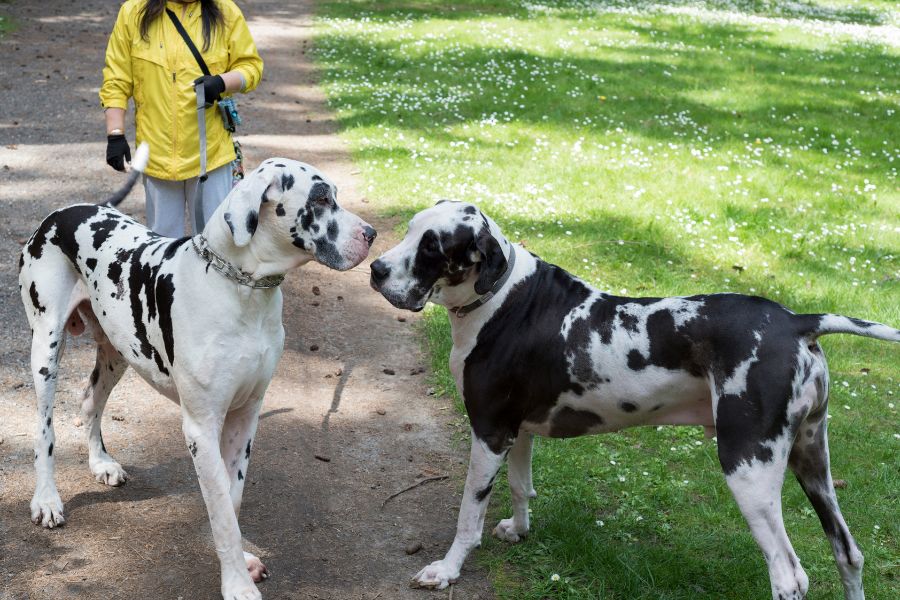
Great Danes are known for their massive size, gentle personality, and loyal nature. They often leave a lasting impression on anyone who meets them. But one question many pet owners ask early on is simple: How long will my Great Dane live, and how does that compare to human years?
Understanding the life expectancy of Great Dane dogs helps you plan better care, make informed health decisions, and cherish every stage of your dog’s life. This guide breaks it down in a clear and relatable way so you can see exactly how your dog ages compared to you.
What Is the Average Life Expectancy of Great Dane Dogs?
The life expectancy of Great Dane dogs is typically 7 to 10 years. This is shorter than many smaller breeds.
Large and giant breeds age faster because their bodies grow rapidly. This fast growth can place stress on their joints, heart, and other systems. While 7–10 years is the average, some Great Danes live longer with proper care and early health management.
Key factors that influence lifespan:
- Genetics
- Diet and nutrition
- Exercise habits
- Preventive veterinary care
- Early detection of health issues
Great Dane Age in Human Years: A Simple Comparison
The old rule of “1 dog year equals 7 human years” does not apply well to giant breeds. Great Danes age faster during their early years and then continue aging at a steady pace.
Great Dane Age Conversion Chart
| Great Dane Age | Human Equivalent |
|---|---|
| 1 year | ~15 years |
| 2 years | ~24 years |
| 3 years | ~28 years |
| 4 years | ~32 years |
| 5 years | ~36 years |
| 6 years | ~45 years |
| 7 years | ~50 years |
| 8 years | ~55 years |
| 9 years | ~60 years |
| 10 years | ~66 years |
This comparison shows how quickly a Great Dane transitions from puppy to senior.
Understanding Life Stages of a Great Dane
Breaking life into stages makes it easier to understand your dog’s needs. Puppy Stage (0–1 Year)
This is the fastest growth period. Great Danes can grow rapidly, gaining significant weight and height within months.
What matters most:
- Controlled nutrition to prevent bone issues
- Regular vet checkups
- Early training and socialization
1. Young Adult Stage (1–3 Years)
At this stage, your dog reaches full size but continues to mature mentally.
Focus areas:
- Joint health
- Consistent exercise
- Balanced diet
2. Adult Stage (3–6 Years)
This is the prime of your dog’s life.
Care priorities:
- Maintain a healthy weight
- Routine health screenings
- Dental care
3. Senior Stage (6+ Years)
Great Danes are considered seniors earlier than smaller dogs.
Common changes:
- Reduced energy
- Joint stiffness
- Increased risk of disease
This stage requires closer monitoring and more frequent veterinary visits.
Why Do Great Danes Have a Shorter Lifespan?
The shorter life expectancy of Great Dane dogs is linked to their size and growth rate.
1. Rapid Growth
Their bodies develop quickly, which can strain bones and organs.
2. Heart Conditions
Large breeds are more prone to heart diseases like dilated cardiomyopathy.
3. Risk of Bloat
Gastric dilatation-volvulus (GDV), also called bloat, is a serious condition that affects deep-chested breeds like Great Danes.
4. Joint Issues
Hip dysplasia and arthritis are common due to their weight and structure.
How to Help Your Great Dane Live Longer
While genetics play a role, daily care has a strong impact on lifespan.
1. Provide a Balanced Diet
Feed high-quality food designed for large breeds. Avoid overfeeding, especially during growth stages.
2. Maintain a Healthy Weight
Excess weight puts pressure on joints and organs.
3. Schedule Regular Vet Visits
Routine exams help detect issues early. If your dog shows signs of discomfort, visit our website to learn more about when veterinary care is needed.
4. Exercise the Right Way
Avoid intense activity during puppy stages. Focus on controlled, low-impact exercise.
5. Prevent Bloat
- Feed smaller meals
- Avoid exercise right after eating
- Use slow feeders if needed
Signs Your Great Dane Is Aging
Recognizing early signs of aging helps you adjust care.
Common signs include:
- Slower movement
- Difficulty standing up
- Changes in appetite
- Weight loss or gain
- Cloudy eyes
These changes are natural but should still be discussed with a veterinarian.
Comparing Great Dane Lifespan to Other Breeds
To understand the life expectancy of Great Dane dogs, it helps to compare them with other breeds:
- Small breeds (like Chihuahuas): 12–16 years
- Medium breeds (like Labradors): 10–14 years
- Giant breeds (like Great Danes): 7–10 years
This difference highlights why proactive care is important for large dogs.
Emotional Impact of a Shorter Lifespan
Owning a Great Dane often means preparing for a shorter time together. This can be difficult, but it also encourages pet owners to focus on quality of life.
Spend time:
- Building strong routines
- Providing enrichment
- Creating lasting memories
Every stage has value, from playful puppy days to calm senior years.
When to Talk to a Veterinarian
Regular veterinary care plays a key role in extending your dog’s life.
You should consult a vet if you notice:
- Sudden behavior changes
- Limping or stiffness
- Breathing issues
- Loss of appetite
Early action can improve outcomes and support a longer, healthier life.
Conclusion
The life expectancy of Great Dane dogs may be shorter than that of other breeds, but their impact is lasting. Understanding how their age compares to human years gives you a clearer picture of their needs at every stage.
With proper nutrition, routine care, and attention to early warning signs, you can help your Great Dane live a fuller and more comfortable life.
If you want to ensure your dog gets the right support at every stage, take the next step—book an appointment with a trusted veterinary provider to discuss your pet’s health plan and long-term care.
Frequently Asked Questions(FAQs):
1. What is the life expectancy of Great Dane dogs?
The average lifespan is 7 to 10 years, depending on health, genetics, and care.
2. How fast do Great Danes age compared to humans?
They age rapidly in the first two years, reaching the human equivalent of their mid-20s by age 2.
3. Can a Great Dane live longer than 10 years?
Yes, some live beyond 10 years with excellent care, though it is less common.
4. At what age is a Great Dane considered a senior?
Great Danes are usually considered seniors around 6 to 7 years old.
5. What is the biggest health risk for Great Danes?
Bloat (GDV) is one of the most serious risks and requires immediate attention.
6. How can I improve my Great Dane’s lifespan?
Focus on proper diet, regular vet visits, weight control, and early detection of health issues.

Ready to see us?
We proudly bring lifelong wellness to the pets of Skaneateles, Marcellus, Tully, Lafayette, and beyond. Easily request an appointment for your pet using our online system!