
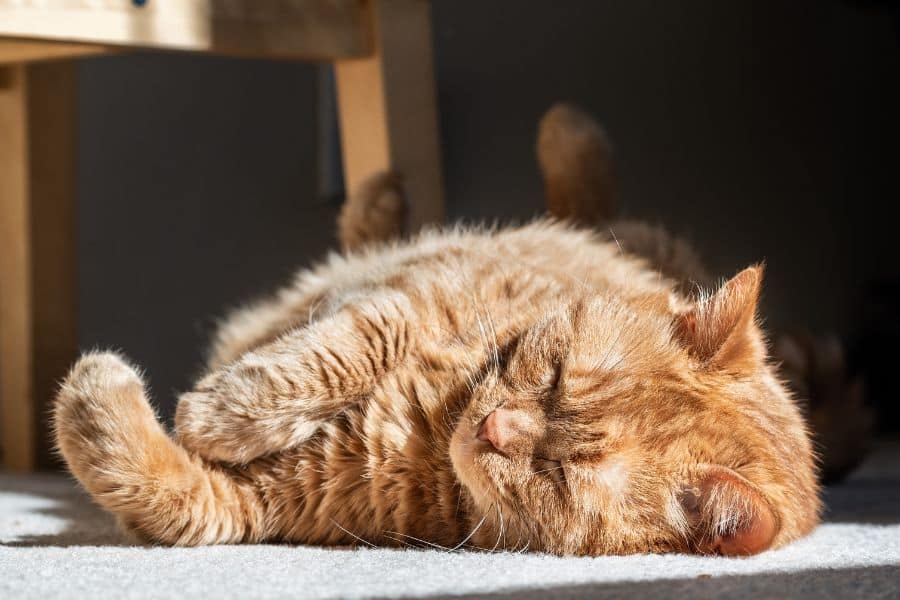
An overweight cat needs a measured plan, not a sudden diet. Safe cat weight loss means setting a healthy target, controlling calories, choosing satisfying food, adding gentle activity, and tracking progress. Cutting food sharply can create problems. This guide covers safe weight loss, feeding, exercise, monitoring, and professional guidance.
Is Your Cat Overweight?
Body shape offers useful clues. A healthy cat should have a visible waist from above, with ribs that can be felt under a thin layer of fat. A rounded body, heavy fat covering the ribs, or little waist definition may indicate excess weight.
A veterinarian can assess body condition and establish a realistic target.
Why Cat Obesity Matters
Extra weight can affect mobility, grooming, comfort, and activity. Overweight cats also face greater risks for diabetes, joint problems, and liver disease. Weight reduction can support better movement and quality of life.
Start With a Safe Weight-Loss Goal
Begin with a baseline. Record your cat’s current weight, food brand, portions, treats, feeding frequency, activity, and medications or supplements.
Do not use a crash diet. Cats need adequate nutrition to protect lean tissue while body fat decreases. Rapid food restriction can contribute to hepatic lipidosis, a potentially serious liver condition.
A care professional can calculate a calorie target instead of relying on a generic feeding chart.
Build a Calorie-Controlled Feeding Routine
Portion control is central to a successful cat weight-loss plan. Measure meals with a kitchen scale or accurate measuring tool instead of filling the bowl by sight.
Follow the calorie target recommended for your cat. Do not assume the package feeding guide is a weight-loss prescription; amounts may be intended for maintenance and vary by individual.
Wet cat food can be useful because its higher moisture content may support meal volume. Choose based on health, preferences, and nutritional needs.
Rethink Treats and Table Food
Treat calories count. Keep treats within the calorie allowance and avoid frequent table scraps. Small pieces add up.
Use part of your cat’s measured daily food as rewards. Puzzle feeders can turn meals into activity without adding calories.
Increase Activity Without Creating Stress
Exercise helps cats use energy and maintain muscle. Indoor cats can benefit from short, frequent play sessions using toys that encourage chasing, pouncing, or climbing.
Try two or more brief sessions each day. Food puzzles, climbing areas, scratching posts, and opportunities to explore can increase movement.
Let your cat set the pace. An inactive, senior, or painful cat may need gentler activities. Sudden intense exercise is not suitable for every overweight cat.
Track Progress and Adjust Carefully
Weigh your cat regularly under similar conditions. Record the date, weight, food amount, treats, activity, and behavior changes. A log makes patterns easier to recognize.
Do not reduce calories every time the scale stalls for a few days. Weight can fluctuate. Look at the longer trend and discuss persistent plateaus with your veterinarian.
A wellness visit can identify medical factors affecting weight and keep the plan realistic. Pet wellness services can support routine examinations and individualized preventive care.
Warning Signs During Weight Loss
Weight loss should never mean refusing food. Contact a veterinarian if your cat stops eating, vomits repeatedly, becomes unusually weak, hides more than normal, or develops other concerning changes.
Cats can become seriously ill when food intake falls too low. Never force a rapid diet change because the scale has not moved.
Common Mistakes to Avoid
Free-choice feeding can make calorie control difficult. Guessing portions, ignoring treats, changing food repeatedly, and expecting exercise alone to solve obesity can undermine progress.
Do not use human weight-loss products, appetite suppressants, or supplements unless a veterinarian recommends them. Do not copy another cat’s diet plan. Two cats with the same weight may have different nutritional needs.
Everyone in the household should follow the same feeding rules.
Conclusion: Make Weight Loss Safe and Sustainable
Helping an overweight cat reach a healthier weight is a long-term care project, not a quick fix. Use portions, appropriate calories, controlled treats, enjoyable activity, regular weigh-ins, and clear records. Avoid abrupt food restriction and watch for appetite or behavior changes.
If your cat needs a personalized starting point, book an appointment for an evaluation and weight-management discussion. A structured plan can make healthy progress safer, clearer, and easier to maintain.
Frequently Asked Questions(FAQs):
1. How fast should an overweight cat lose weight?
A: A safe rate varies by the cat’s starting condition and health. Gradual loss is preferred over rapid restriction. Your veterinarian can establish a target and monitor weight to reduce risks associated with inadequate calorie intake.
2. Should I feed wet or dry food for weight loss?
A: Either can work when the diet is nutritionally complete, and portions are controlled. Wet food provides more moisture and may offer greater meal volume. Your cat’s health, preferences, and calorie needs should guide the choice.
3. How much should I feed my overweight cat?
A: There is no universal portion for every cat. Calorie needs depend on target weight, age, activity, body condition, and health. Ask your veterinarian for a daily calorie goal, then measure meals accurately.
4. How can I help my indoor cat exercise?
A: Use short play sessions with chase toys, food puzzles, climbing opportunities, and scratching posts. Increase activity gradually and keep sessions enjoyable. Cats with pain, limited mobility, or advanced age may need a customized approach.
5. What if my cat stops eating during a diet?
A: Take it seriously. Cats should not be placed on a starvation-style diet. Food refusal can become dangerous, particularly when prolonged. Contact your veterinarian promptly to determine why your cat is not eating and what to do next.
6. Can an overweight cat lose weight without exercise?
A: Diet controls calorie intake, so weight loss can occur with limited exercise. Activity remains valuable for muscle maintenance, mobility, enrichment, and health. A combined nutrition and activity plan is often easier to sustain than either alone.




Ready to see us?
We proudly bring lifelong wellness to the pets of Skaneateles, Marcellus, Tully, Lafayette, and beyond. Easily request an appointment for your pet using our online system!