

Chronic kidney disease (CKD) becomes more common as pets age, and appetite loss is a frequent concern. Kidney disease can cause nausea, dehydration, fatigue, mouth discomfort, or changes in taste and smell. Reduced intake can cause weight and muscle loss.
This guide explains why CKD affects appetite, which signs deserve attention, how food and hydration can support daily comfort, and when prompt care is needed. If your older companion lives in Marcellus, knowing what to watch for can make care decisions clearer.
Why Kidney Disease Affects Appetite
Healthy kidneys filter waste and help control fluids and minerals. CKD reduces these functions, allowing waste to accumulate.
1. Nausea and Food Aversion
Nausea can make food unappealing. A pet may sniff the bowl and walk away. Lip licking, drooling, repeated swallowing, or vomiting can occur. A pet can gradually develop food aversion when eating becomes linked with feeling sick.
2. Dehydration and Fatigue
Kidney disease may increase urine production and fluid loss. Dehydration can cause tiredness and reduce interest in meals. Weakness may make standing at the food bowl difficult. Fresh water should always be available.
3. Mouth and Digestive Discomfort
Oral irritation, stomach upset, constipation, or medication effects may noticeably reduce appetite.
Signs to Watch at Home
Monitor eating, drinking, urination, weight, energy, and behavior.
Watch for:
- Smaller portions or skipped meals
- Increased thirst or urination
- Weight or muscle loss
- Vomiting, drooling, or nausea
- Bad breath or mouth sensitivity
- Lethargy, weakness, or hiding
- Changes in stool or bathroom habits
Persistent appetite loss deserves attention; do not assume it is simply aging.
Supporting Nutrition During CKD
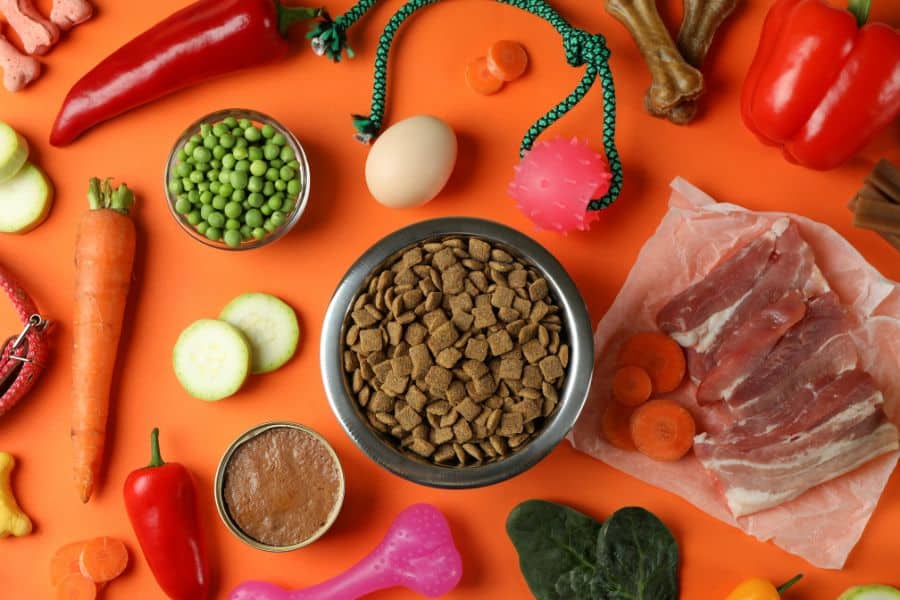
Nutrition is important in kidney care. A kidney-support diet may control phosphorus, adjust protein, and provide appropriate calories. Food choices depend on health, preferences, and disease stage.
1. Make Meals More Appealing
Warmed food may improve interest. Smaller meals can be easier than one large meal. Clean bowls and a quiet feeding area can reduce distractions.
Introduce diet changes gradually unless a care professional advises otherwise. Never force-feed a nauseated pet without guidance. Force-feeding can increase stress and food aversion.
2. Keep Hydration in Focus
Water intake matters. Wet food may provide moisture, while multiple bowls or a fountain may encourage drinking. Report major changes in thirst or urination.
When Appetite Loss Needs Prompt Attention
A pet that refuses food and repeatedly vomits, becomes very weak, collapses, struggles to breathe, appears severely dehydrated, or develops sudden confusion needs prompt assessment. Kidney disease may be worsening, or another health problem may be present.
This is where urgent care for pets can provide timely support when your usual clinic is unavailable, or your pet’s condition changes quickly. Do not wait for appetite to return when concerning symptoms appear.
Call us at 315-673-4858 for urgent care for pets when your older companion needs prompt attention.
What a Care Plan May Include
An assessment may include an examination, blood and urine testing, hydration assessment, blood pressure measurement, and medication review.
Support may include fluids, nausea control, appetite support, diet adjustments, medication changes, or treatment for related conditions. The goal is comfort, nutrition, and daily function effectively.
Ask about benefits, side effects, monitoring, and realistic goals. Transparent communication supports informed decisions.
Helping Your Pet Eat at Home
Create a calm feeding routine. Track food, water, urination, weight, vomiting, stool, energy, and behavior.
Do not give human medications or supplements without advice. Keep a list of medications, supplements, and treats.
Eating less for several days can reduce body condition. Early discussion may prevent a larger nutritional problem.
Questions Worth Asking
Ask about your pet’s current kidney function, hydration status, nutritional needs, expected appetite changes, medication effects, and warning signs. Ask which foods are appropriate, how much your pet should eat, what weight changes matter, and when follow-up testing should occur. Clear answers can make home monitoring more manageable.
Conclusion
CKD and appetite loss can form a difficult cycle: feeling unwell reduces intake, and poor intake causes weakness. Observation, nutrition, hydration support, and timely guidance can help. Record meals, water, weight, symptoms, and behavior, and share changes early rather than waiting for them to become severe.
If you’re located in Marcellus, reach out to Lake Country Veterinary Care, where compassionate care and community come together for your pet’s well-being. When appetite changes, your attention can make a meaningful difference. A clear plan and consistent monitoring can help older pets receive support suited to their needs and continue enjoying the routines and relationships that matter most.
Frequently Asked Questions(FAQs):
1. Is appetite loss normal in older pets with kidney disease?
A: Appetite loss can occur with chronic kidney disease, but it should not be dismissed as normal aging. Nausea, dehydration, medication effects, or another illness may be responsible.
2. What can I feed a dog with kidney disease that will not eat?
A: A kidney-support diet is commonly recommended, but acceptance varies. Warming approved food or offering smaller meals may help. Ask before changing foods or adding treats.
3. How long can a pet with kidney disease go without eating?
A: There is no universal timeframe. Older pets can lose strength when intake drops. Contact a care professional when food refusal occurs with vomiting, dehydration, or weight loss.
4. Can kidney disease cause nausea in dogs and cats?
A: Yes. Reduced kidney function can allow waste products to accumulate, contributing to nausea and appetite loss. Drooling, repeated swallowing, vomiting, and walking away from food can provide clues.
5. How can I encourage my older pet to drink more water?
A: Keep clean water sources available and consider wet food if appropriate. Some pets prefer fountains or bowls. Monitor drinking changes, since thirst changes can provide useful information.
6. When should appetite loss in a senior pet be treated urgently?
A: Prompt attention is appropriate when appetite loss persists or comes with vomiting, weakness, collapse, breathing difficulty, severe dehydration, confusion, or changes. Waiting can allow problems to worsen.


Ready to see us?
We proudly bring lifelong wellness to the pets of Skaneateles, Marcellus, Tully, Lafayette, and beyond. Easily request an appointment for your pet using our online system!