
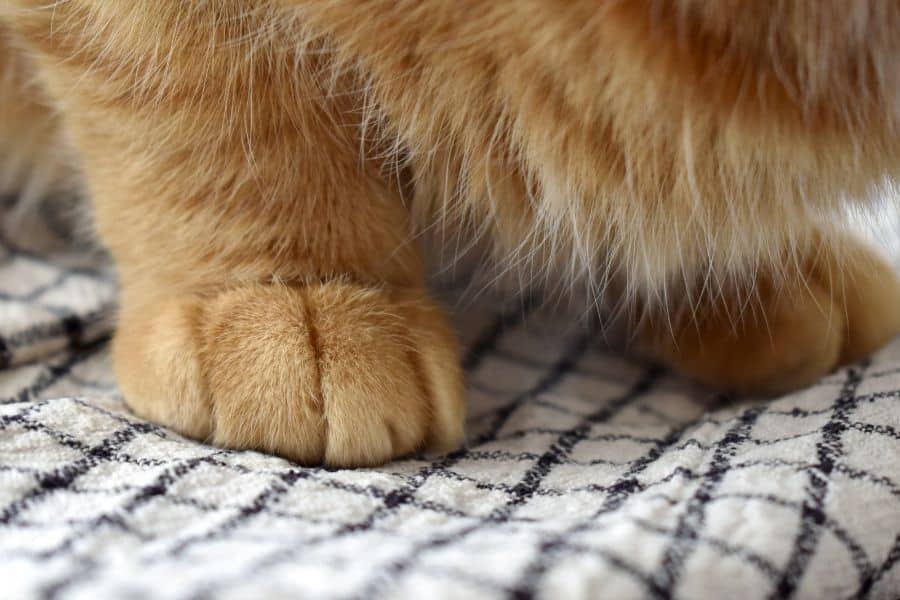
Cats scratch. It is one of the most natural and important behaviors they display. Many pet owners view scratching as a problem because it can damage furniture, carpets, and walls. In reality, scratching plays a vital role in a cat’s physical and emotional well-being.
It helps maintain healthy claws, provides exercise, relieves stress, and allows cats to communicate through territory marking. Understanding why cats scratch can help you support healthy habits while protecting your home.
This guide explains the reasons behind cat scratching behavior, how it benefits claw health, common concerns, and practical solutions that work for both cats and their families.
Why Do Cats Scratch?
Scratching is an instinctive behavior that begins early in a cat’s life. Wild and domestic cats share this natural habit because it serves several important purposes.
1. Territory Marking
One of the primary reasons cats scratch is to mark territory. Cats have scent glands located in their paws. When they scratch a surface, they leave behind both visible marks and scent signals. These markers communicate ownership and create a sense of familiarity.
A cat may scratch:
- Near entryways
- Around sleeping areas
- Close to favorite resting spots
- In areas where people and pets spend time
Territory marking is not a sign of bad behavior. It is a normal way for cats to feel secure within their environment.
2. Claw Maintenance
Scratching helps remove the outer layer of the claw. As cats scratch, old claw sheaths shed naturally, revealing healthier and sharper claws underneath.
Regular scratching supports:
- Healthy claw growth
- Removal of worn claw layers
- Improved paw flexibility
- Better grip and balance
Without appropriate scratching opportunities, claw health can decline over time.
3. Stretching and Exercise
Cats enjoy a full-body stretch when scratching. The action engages muscles in the shoulders, back, legs, and paws.
Scratching provides:
- Physical activity
- Muscle conditioning
- Joint flexibility
- Healthy movement patterns
This benefit is especially important for indoor cats with limited exercise opportunities.
4. Stress Relief and Emotional Health
Cats often scratch when they feel excited, anxious, or overstimulated. Scratching serves as a healthy outlet for emotional release.
Changes that may increase scratching include:
- Moving to a new home
- New pets
- New family members
- Changes in routine
In many cases, scratching helps cats regulate their emotions and feel more comfortable.
Understanding Normal vs. Excessive Scratching
Normal scratching occurs daily and usually targets specific surfaces. Excessive scratching may involve constant clawing, sudden behavior changes, or scratching accompanied by other symptoms.
Potential concerns include:
- Skin irritation
- Parasites
- Allergies
- Pain or discomfort
- Stress-related issues
If scratching behavior changes dramatically, professional evaluation may be helpful.
How to Encourage Appropriate Scratching
The goal is not to stop scratching. The goal is to redirect it toward acceptable surfaces.
1. Provide Scratching Posts
Cats often have individual preferences regarding scratching materials and styles.
Popular options include:
- Sisal posts
- Cardboard scratchers
- Carpet-covered surfaces
- Wooden scratching boards
Offering several choices helps identify your cat’s preference.
2. Consider Height and Stability
A scratching post should be tall enough for a full stretch and sturdy enough to remain stable during use.
Many cats avoid posts that wobble or tip over.
3. Place Scratchers Strategically
Location matters. Cats prefer scratching areas near important parts of their territory.
Good locations include:
- Near sleeping areas
- Beside favorite furniture
- Near entry points
- In frequently used rooms
Proper placement increases the likelihood of consistent use.
How to Protect Furniture
Furniture scratching is one of the most common concerns among cat owners.
1. Make Approved Surfaces More Appealing
Encourage use of scratching posts by:
- Placing them near scratched furniture
- Rewarding use with treats
- Using catnip if your cat responds to it
- Offering positive attention
Positive reinforcement produces better long-term results than punishment.
2. Reduce Attraction to Furniture
Temporary deterrents may help redirect scratching habits.
Options include:
- Furniture covers
- Double-sided tape products
- Protective furniture guards
These solutions work best when paired with attractive scratching alternatives.
The Importance of Routine Claw Care
Regular claw care supports comfort and mobility.
1. Nail Trimming
Routine nail trims help reduce accidental damage and prevent overgrown claws.
Benefits include:
- Improved comfort
- Reduced snagging
- Lower risk of claw injuries
- Less furniture damage
Many cats tolerate nail trims well when introduced gradually.
2. Wellness Exams
Routine wellness visits provide opportunities to assess claw condition, paw health, and overall comfort. If you are concerned about scratching habits or claw health, discussing them during your cat’s next cat wellness exam can help identify any underlying issues before they become more serious.
Should Cats Be Declawed?
Declawing is not a simple nail trim. The procedure removes part of each toe and can affect normal movement and behavior.
Potential concerns include:
- Pain
- Behavioral changes
- Reduced mobility
- Increased stress
Most experts recommend providing appropriate scratching outlets and behavior management strategies instead of declawing whenever possible.
Signs Your Cat May Need Professional Attention
Occasional scratching is normal. Certain signs warrant further evaluation.
Watch for:
- Bleeding paws
- Broken claws
- Swelling around the nails
- Sudden increases in scratching
- Persistent licking of the paws
- Difficulty walking
Prompt attention can help address discomfort and prevent complications.
Helping Your Cat Thrive
Scratching is a healthy and essential feline behavior. It supports territory marking, claw maintenance, stretching, exercise, and emotional well-being. Providing appropriate scratching surfaces, maintaining routine claw care, and understanding your cat’s needs can reduce household frustration while promoting a happier life.
For cat owners in Marcellus who have questions about scratching behavior, claw health, or overall feline wellness, the team at Lake Country Veterinary Care is here to help. Schedule a wellness visit or book an appointment to receive personalized guidance that keeps your cat healthy, comfortable, and thriving.
Frequently Asked Questions(FAQs):
1. Why does my cat scratch furniture even when a scratching post is available?
A: Cats often scratch furniture because of location, texture, or stability preferences. Moving the scratching post closer to the furniture and rewarding its use can encourage better habits and make approved scratching areas more attractive.
2. Is scratching a sign that my cat is angry?
A: Not usually. Scratching is most often a normal behavior related to territory marking, stretching, claw maintenance, and emotional expression. It does not automatically indicate aggression or anger toward people or other pets.
3. How often should I trim my cat’s nails?
A: Most cats benefit from nail trimming every two to four weeks. The ideal schedule depends on age, activity level, claw growth rate, and whether the cat regularly uses scratching surfaces.
4. Can indoor cats have claw health problems?
A: Yes. Indoor cats can develop overgrown, cracked, or damaged claws if routine care is neglected. Regular scratching opportunities and nail maintenance help support healthy claws throughout life.
5. What type of scratching post do most cats prefer?
A: Many cats enjoy sturdy sisal-covered posts that allow a full-body stretch. Some prefer horizontal cardboard scratchers. Offering different textures and styles helps determine your cat’s individual preference.
6. When should I worry about excessive scratching?
A: Seek professional advice if scratching suddenly increases, causes injury, accompanies hair loss, involves swollen paws, or occurs alongside signs of discomfort. These changes may indicate an underlying health or behavioral concern.
Related Articles


Ready to see us?
We proudly bring lifelong wellness to the pets of Skaneateles, Marcellus, Tully, Lafayette, and beyond. Easily request an appointment for your pet using our online system!