
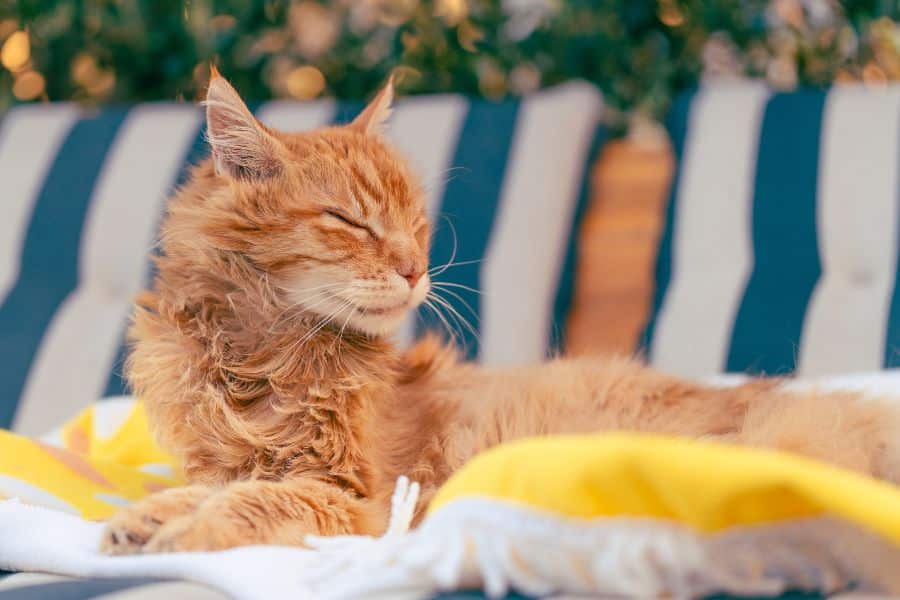
Maine Coon cats are known for their large size, gentle personalities, and flowing coats. That beautiful fur needs a routine suited to the breed. Bathing is not an everyday task; regular brushing handles most maintenance. The right brush, sensible bathing schedule, careful drying, and attention to skin changes help keep the coat clean and comfortable. This guide covers brushing, bathing, mat care, useful tools, and when veterinary care may be appropriate.
Why Maine Coon Grooming Matters
A Maine Coon has a thick, semi-long coat with a soft undercoat and longer guard hairs. Dense areas around the neck, belly, legs, and tail can develop tangles.
Brushing removes loose hair before it is swallowed during self-grooming. It reduces knots and helps you notice dandruff, redness, parasites, unusual odors, or sensitive areas.
How Often Should You Brush a Maine Coon?
Aim for brushing several times each week. A Maine Coon with a dense coat may need daily attention.
Choose the Right Grooming Tools
A stainless-steel comb checks the coat down to the skin. A soft slicker brush lifts loose fur and separates surface tangles.
Avoid tools that pull aggressively or remove healthy coat.
Use a Comfortable Brushing Technique
Start when your cat is relaxed. Brush in the direction of hair growth using short strokes. Support fur near the skin when working on a knot.
Check behind the ears, under the legs, belly, hind legs, and tail. Finish with a comb to find small tangles a brush may miss.
How to Bathe a Maine Coon
Maine Coons rarely need frequent baths. A bath helps when the coat is dirty, greasy, contaminated, or difficult to clean.
Prepare Before the Bath
Gather cat-safe shampoo, towels, a nonslip mat, a cup or gentle sprayer, and a quiet drying area.
Use lukewarm water. Protect the eyes, nose, and ears from direct water and shampoo.
Wash the Coat Without Creating More Tangles
Wet the coat gradually, starting below the neck. Apply a small amount of cat-formulated shampoo and massage gently through the fur. Do not scrub in circles, which can tighten tangles.
Rinse until no shampoo remains. A thorough rinse matters more than using a large amount of product.
Drying a Maine Coon Safely
Drying a long-haired cat deserves as much attention as washing. Press towels against the coat rather than rubbing vigorously.
A pet dryer can help when introduced carefully, but many cats dislike loud airflow. If the coat stays damp, tangles can tighten and skin discomfort may develop.
Managing Maine Coon Mats
Small tangles can sometimes be loosened with your fingers and a comb. Hold fur close to the skin so pulling does not hurt. Never cut a mat with household scissors; cat skin can sit close to the surface.
Large, tight, or skin-adhering mats deserve professional attention. Repeated matting may signal grooming difficulty, skin problems, or another concern.
Common Grooming Mistakes to Avoid
Bathing too often can strip natural oils and make grooming stressful. Pulling hard on mats can cause pain and make future sessions harder.
Human shampoo, strongly scented products, and products made for dogs may be unsuitable for cats. Skipping rinsing can leave irritating residue.
A Simple Maine Coon Grooming Routine
Brush for a few minutes most days or several times weekly. Check the skin during grooming. Schedule a bath only when the coat needs washing.
Keep sessions short when your cat becomes restless. Reward calm behavior with praise or a favorite treat.
Professional grooming can help with severe mats or difficult baths. Seek veterinary care when grooming reveals persistent itching, wounds, swelling, significant hair loss, parasites, strong odor, or painful skin.
When a Maine Coon May Need More Grooming
A kitten should learn handling gradually. Touch the paws, ears, tail, and coat for a few seconds and offer a reward. Short practice sessions can make future brushing and bathing less stressful.
Heavy shedding does not automatically mean a Maine Coon needs a bath. If shedding suddenly increases, bald patches appear, or the skin looks irritated, grooming alone may not address the cause.
Areas That Need Extra Attention
The mane around the neck can hide knots beneath longer hairs. Feathering on the hind legs can collect litter.
Inspect ears without inserting cotton swabs into the ear canal.
What a Healthy Grooming Routine Looks Like
A well-maintained Maine Coon coat should feel clean, reasonably smooth, and free of painful tangles. Grooming should not leave your cat distressed for long periods. Adjust the session length to your cat’s tolerance.
The goal is simple: remove loose fur, prevent mats, keep bathing purposeful, and make every grooming session comfortable. Consistent home care supports a healthier-looking coat while giving you regular opportunities to notice changes.
Maine Coon grooming is easier when the cat controls the pace. Pause after calm strokes, offer praise, and return later. Avoid chasing or restraining a cat for routine grooming sessions daily.
Frequently Asked Questions(FAQs):
1. How often should you bathe a Maine Coon?
A: Most Maine Coon cats do not need routine monthly baths. Bathe when the coat is genuinely dirty, greasy, contaminated, or difficult to maintain. Regular brushing is more important for everyday coat care and preventing tangles.
2. What is the best brush for a Maine Coon?
A: A combination works well. Use a soft slicker brush to remove loose surface fur and a stainless-steel comb to find hidden knots. A wide-toothed comb can help manage longer hair around the tail and ruff.
3. Can I bathe my Maine Coon with human shampoo?
A: No. Human shampoo is formulated for human skin and may be too harsh for cats. Choose a gentle shampoo specifically labeled for cats. Follow the product directions and rinse thoroughly to prevent residue from irritating the skin.
4. How do I remove mats from a Maine Coon?
A: Small mats may loosen with fingers and a comb when your cat remains comfortable. Do not yank or cut close to the skin. Tight, widespread, or painful mats should be handled by an experienced professional.
5. Do Maine Coon cats need daily brushing?
Not every Maine Coon needs daily brushing, but many benefit from frequent grooming. Dense coats and heavy shedding can make daily sessions useful. Cats prone to tangles may need more attention than those with easier-maintenance coats.
6. Why does my Maine Coon hate being brushed?
A: Discomfort, previous rough handling, sensitive skin, or tangled fur can make brushing unpleasant. Start with brief sessions, gentle pressure, and calm rewards. Persistent resistance or signs of pain warrant a closer look at the cause.

Ready to see us?
We proudly bring lifelong wellness to the pets of Skaneateles, Marcellus, Tully, Lafayette, and beyond. Easily request an appointment for your pet using our online system!