
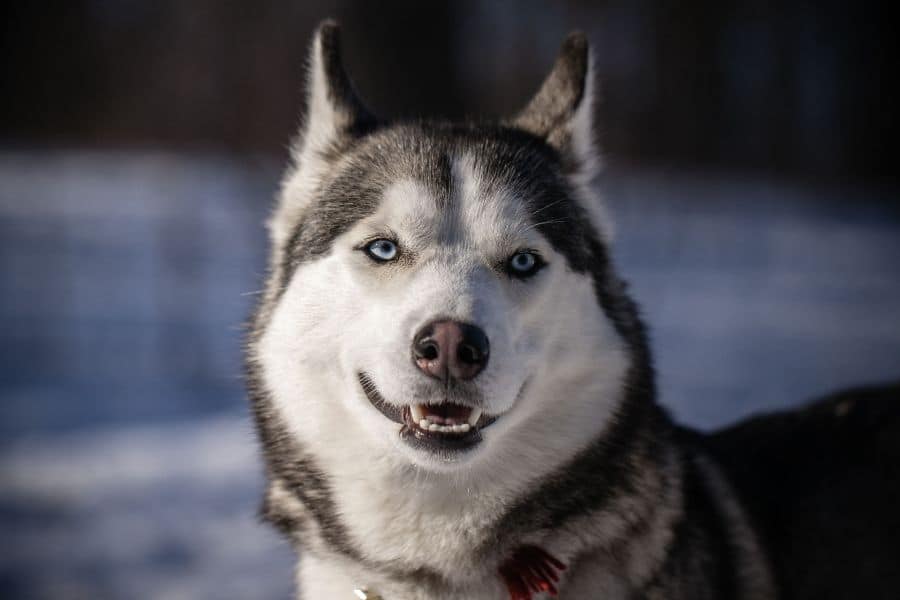
Huskies are known for their striking blue or brown eyes, thick coats, playful personalities, and endless energy. If you share your home with one, you may sometimes wonder how long that energy will last.
So, when does a Husky become a senior?
Most Siberian Huskies live about 12 to 14 years, although some live longer with good care and healthy genetics. A Husky is generally considered a senior around 7 to 8 years of age. This does not mean your Husky suddenly becomes old at seven. Instead, it is a stage when age-related changes can become more likely, and regular health monitoring becomes increasingly important.
Understanding the Husky lifespan can help you recognize normal aging, spot changes that deserve attention, and make thoughtful choices about your dog’s care as the years go by.
How Long Do Huskies Live?
The average Siberian Husky lifespan is around 12 to 14 years. Some Huskies reach 15 years or beyond, while others develop health problems earlier in life.
There is no exact age when every Husky starts slowing down. Genetics, body condition, nutrition, exercise, dental health, preventive care, and underlying health problems can all affect how a dog ages.
A healthy 8-year-old Husky may still enjoy long walks, play sessions, and outdoor adventures. Another Husky of the same age may show clear signs of slowing down.
That is why age is only one part of the picture.
Husky Life Stages at a Glance
Understanding the different stages of your Husky’s life can make the aging process easier to follow:
- Puppy: Birth to about 1 year
- Young adult: About 1 to 3 years
- Adult: About 4 to 6 years
- Mature adult: About 7 to 8 years
- Senior: About 8 to 10 years and older
- Very senior: Around 11 to 12 years and beyond
These age ranges are general guidelines rather than strict rules. Your dog’s health, behavior, mobility, and overall condition matter just as much as the number of candles on the birthday cake.
At What Age Is a Husky Considered a Senior?
A Husky is generally considered a senior at around 7 to 8 years old.
For a breed that commonly lives into its early teens, this may sound surprisingly young. But senior status does not mean your dog is frail or nearing the end of life. It simply means the body is entering a stage where age-related changes deserve closer attention.
Think of it as a shift in priorities rather than a sudden change in your dog’s personality.
Your Husky may still be the same goofy, energetic companion who races around the yard. However, recovery after exercise may take longer, joints may become less flexible, and routine health checks become more valuable.
What Changes as a Husky Gets Older?
Huskies are active dogs, so some early signs of aging can be easy to miss. A dog that once ran for hours may simply choose to rest after a shorter walk. You might assume your Husky is just having a lazy day.
But what if that change happens more often?
Small changes can provide useful clues about your dog’s health.
1. Your Husky May Become Less Active
Senior Huskies often become less energetic. They may still enjoy walks and play but may not want to run or exercise for as long as they once did.
You may notice:
- More frequent naps
- Shorter play sessions
- Less interest in intense exercise
- Slower movement after resting
- More time spent lying down
A gradual reduction in activity can be part of normal aging. A sudden or major change should not be dismissed as “just getting old.”
2. Joint Stiffness Can Become More Noticeable
Years of running, jumping, climbing, and playing can place stress on a dog’s joints.
An older Husky may take longer to get up after sleeping or hesitate before jumping into the car. You might also notice stiffness after exercise or difficulty navigating stairs.
Keeping your Husky at a healthy weight is one of the most helpful things you can do for long-term joint health. Extra weight puts additional stress on aging joints.
Regular, controlled exercise also helps maintain muscle strength. Older dogs usually benefit from staying active, but their activity may need to be adjusted to match their comfort and ability.
3. Weight Can Change
Some senior Huskies gain weight because they are less active. Others lose weight because of dental problems, changes in appetite, digestive issues, or other health concerns.
Do not focus only on the number on the scale. Watch your dog’s body shape, muscle condition, appetite, and eating habits.
If your Husky’s weight changes without an obvious reason, make a plan to have the change evaluated.
4. Dental Problems May Become More Important
Dental health matters throughout a Husky’s life, but older dogs can have years of accumulated plaque and tartar.
Bad breath, difficulty chewing, dropping food, excessive drooling, or reluctance to eat hard food can point to an oral health problem.
Routine dental care and regular mouth checks can help identify problems before they become more painful.
5. Your Husky’s Senses May Change
Hearing and vision can change as dogs age.
An older Husky may not respond when you call from another room or may seem startled when approached from behind. Some dogs become less confident in dim lighting or unfamiliar surroundings.
These changes can happen gradually, so you may notice them before your dog appears to have an obvious problem.
Simple adjustments can make life easier. Keep furniture in familiar places, use good lighting at night, and approach your dog where they can see you.
How Can You Tell If Your Husky Is Aging Normally?
This is one of the most important questions for Husky owners.
Aging is normal. Significant changes in health are not something you should automatically accept as part of getting older.
Pay attention to your dog’s usual habits. You know how your Husky normally eats, sleeps, walks, plays, and interacts with your family.
Watch for changes such as:
- Drinking much more or less than usual
- A noticeable change in appetite
- Unexplained weight loss or gain
- Persistent coughing
- Difficulty breathing
- Repeated vomiting or diarrhea
- Trouble standing or walking
- Sudden behavior changes
- Confusion or disorientation
- New lumps or bumps
- Changes in bathroom habits
- Persistent bad breath
- Difficulty chewing
- Loss of interest in favorite activities
One unusual day does not always indicate a serious problem. A pattern that continues or worsens deserves attention.
How to Help Your Senior Husky Stay Healthy
Your Husky cannot stay young forever, but you can support a comfortable and active senior life.
Keep Exercise Consistent
Older Huskies still need physical activity. The goal is to keep them moving without pushing them beyond their comfort level.
Several moderate walks may work better than one long, demanding outing. Low-impact activities can also help older dogs stay active while reducing strain on their joints.
Let your dog’s condition guide the pace.
Feed for the Current Life Stage
Nutritional needs can change with age. An older Husky may need a different calorie intake than a younger, highly active dog.
Avoid making major diet changes based only on internet advice. Your dog’s body condition, activity level, existing health needs, and overall diet should all be considered when choosing food.
Treats count toward daily calories, too.
Maintain a Healthy Weight
Keeping your Husky at a healthy body weight is one of the most practical ways to support mobility.
You should be able to feel your dog’s ribs without pressing hard, while the abdomen should have a visible tuck when viewed from the side.
If you are unsure whether your Husky is at an appropriate weight, ask for an objective assessment during a pet wellness exam.
Stay Consistent With Health Checks
Senior dogs benefit from regular health assessments because some problems develop quietly before obvious symptoms appear.
Routine visits allow you to discuss changes in weight, mobility, appetite, sleep, behavior, dental health, and exercise tolerance.
Depending on your dog’s age and health history, your care team may also recommend bloodwork or other screening tests.
These checks are not about assuming something is wrong. They are about building a clear picture of your Husky’s health over time.
What Can You Do for an 8-Year-Old Husky?
If your Husky is eight, there is no reason to stop enjoying an active life together.
Instead, pay closer attention to how your dog handles everyday activities.
Does your Husky still enjoy walks? Does your dog recover normally after exercise? Is getting up becoming harder? Has appetite changed? Are there new behavioral changes?
At this stage, consistency is valuable.
Keep meals, exercise, sleep, and daily routines predictable. Give your Husky comfortable places to rest, especially after activity. Watch the condition of the coat and skin, keep nails trimmed, and continue regular dental care.
Most importantly, do not compare your Husky to another dog of the same age. Two eight-year-old Huskies can have very different health needs.
Does a Senior Husky Still Have a Good Quality of Life?
Absolutely.
Being a senior does not mean a Husky has stopped enjoying life.
Many older Huskies continue to love walks, playtime, sniffing around the yard, spending time with family, and following their favorite people from room to room.
Your definition of a good day may simply change.
Instead of a two-hour hike, your senior Husky may prefer several shorter walks. Instead of nonstop running, your dog may enjoy a gentle game of fetch followed by a long nap.
Look at the whole picture: appetite, comfort, mobility, interest in family, sleep, and enjoyment of normal activities.
If your Husky is comfortable and engaged with daily life, age alone should not limit what you do together.
When Should You Be Concerned About an Older Husky?
Some changes deserve prompt attention rather than a wait-and-see approach.
Contact your pet’s health care team if your senior Husky experiences a sudden change in behavior, difficulty breathing, severe weakness, collapse, repeated vomiting, persistent diarrhea, inability to walk normally, significant appetite loss, or other major changes.
For less urgent concerns, keep notes about what you are seeing.
For example, instead of saying, “My dog seems slower,” note that your Husky now takes several minutes to stand after sleeping or stops halfway through a walk that was previously easy.
Specific observations make it easier to understand whether a change is developing over time.
Conclusion: Your Husky’s Senior Years Can Still Be Active and Happy
So, when do Huskies become seniors? Most are considered senior dogs around 7 to 8 years old, with many living to approximately 12 to 14 years.
Senior status is not a diagnosis, and it does not mean your Husky is suddenly old or unhealthy. It is a reminder to pay closer attention to changes in mobility, weight, appetite, dental health, behavior, and energy.
The best approach is simple: know what is normal for your dog, maintain a healthy weight, keep appropriate exercise in the routine, support good nutrition, and stay consistent with regular health checks.
Your Husky’s later years may look different from the puppy and young-adult years, but they can still be filled with walks, play, companionship, and plenty of personality. Paying attention to small changes gives you a better chance of keeping those years comfortable and enjoyable.
Frequently Asked Questions(FAQs):
1. What is the average lifespan of a Husky?
A: The average Siberian Husky lifespan is about 12 to 14 years. Some Huskies live longer, while others have shorter lifespans due to genetics, health conditions, or other factors.
2. Is an 8-year-old Husky considered old?
A: An 8-year-old Husky is generally considered a senior, but that does not mean the dog is frail. Many Huskies at this age remain active, playful, and healthy. They may simply need closer attention to age-related changes.
3. What are the first signs of aging in a Husky?
A: Common early signs include reduced stamina, longer recovery after exercise, joint stiffness, increased sleeping, changes in weight, and changes in hearing or vision. Gradual changes are common, but sudden changes should be evaluated.
4. How can I help my senior Husky live longer?
A: Maintain a healthy body weight, provide balanced nutrition, keep your Husky appropriately active, maintain dental care, monitor changes in behavior and appetite, and schedule regular health assessments. Early attention to health changes can make a meaningful difference in your dog’s comfort and well-being.
5. Should an older Husky still exercise every day?
A: Yes. Most senior Huskies benefit from regular, appropriate exercise. The intensity and duration may need to change as your dog ages. Shorter walks, gentle play, and other low-impact activities can help maintain mobility and muscle strength without excessive straing.

Ready to see us?
We proudly bring lifelong wellness to the pets of Skaneateles, Marcellus, Tully, Lafayette, and beyond. Easily request an appointment for your pet using our online system!