
Bite wounds between pets are more serious than they often appear. A small puncture on the skin can hide deep tissue damage, bacteria, bleeding, and pain beneath the surface. Fast evaluation and treatment help reduce the risk of infection, improve healing, and protect your pet from long-term complications.
Some injuries respond well to cleaning and medication, while others require surgical repair to remove damaged tissue and close the wound safely. Knowing the warning signs, understanding the treatment process, and following proper aftercare can make a significant difference in your pet’s recovery.
This guide explains why bite wounds should never be ignored, when surgery becomes necessary, how recovery progresses, and ways to help prevent future injuries. Pet owners in Marcellus can benefit from timely medical attention whenever a bite injury occurs.
Why Bite Wounds Between Pets Need Immediate Attention
Dogs and cats naturally defend themselves during conflicts. Their teeth create puncture wounds that can force bacteria deep into muscles and soft tissues. Surface injuries often look minor even when the damage underneath is extensive.
Common bite wound symptoms include:
- Swelling around the injured area
- Bleeding or bruising
- Pain when touched
- Limping or reduced movement
- Bad odor or drainage from the wound
- Fever or loss of appetite
Delaying treatment increases the chance of infection, tissue damage, and abscess formation. Early examination allows the medical team to identify hidden injuries before they become more severe.
How Bite Wounds Are Evaluated
A complete physical examination helps determine the extent of the injury. Some wounds require clipping the surrounding fur so every puncture can be identified. Deep wounds may involve muscles, tendons, or other structures that cannot be seen from the outside.
Additional testing may be recommended when deeper trauma is suspected. Imaging can help identify fractures or injuries beneath the skin. Blood testing may also be suggested before sedation or surgery when appropriate.
Each injury is different. The treatment plan depends on the wound’s depth, location, contamination level, and your pet’s overall condition.
When Is Surgical Repair Necessary?
1. Severe Tissue Damage
Some bite wounds tear the skin away from the underlying tissue. Damaged skin cannot heal properly without surgical repair. The affected tissue must be carefully evaluated before closure.
2. Deep Puncture Wounds
Deep punctures often trap bacteria inside the body. Cleaning only the surface leaves contamination behind. Surgery allows thorough flushing and removal of damaged tissue.
3. Large Open Wounds
Extensive injuries sometimes require stitches after proper cleaning. Closing the wound correctly supports healing while reducing contamination.
4. Bite Wounds With Dead Tissue
Poor blood supply can cause tissue to die after a serious bite. Removing unhealthy tissue creates a cleaner environment for recovery.
What Happens During Surgical Repair?
Surgical treatment begins with sedation or anesthesia to keep your pet comfortable. The wound is clipped, cleaned, and thoroughly flushed to remove bacteria, dirt, and damaged tissue.
The medical team carefully examines the surrounding structures for hidden injuries. Healthy tissue is preserved whenever possible. Some wounds receive stitches immediately, while others remain partially open to allow drainage before final closure.
Drain placement may be recommended when fluid buildup is expected. This helps reduce swelling and lowers infection risk during healing.
Pain management and antibiotics are commonly prescribed after surgery when appropriate.
Recovery After Bite Wound Surgery
Healing varies depending on the injury’s severity. Most pets begin feeling better within several days after treatment. Complete healing may require several weeks.
Recovery instructions usually include:
1. Restrict Activity
Running, jumping, and rough play can place stress on healing tissue.
2. Prevent Licking
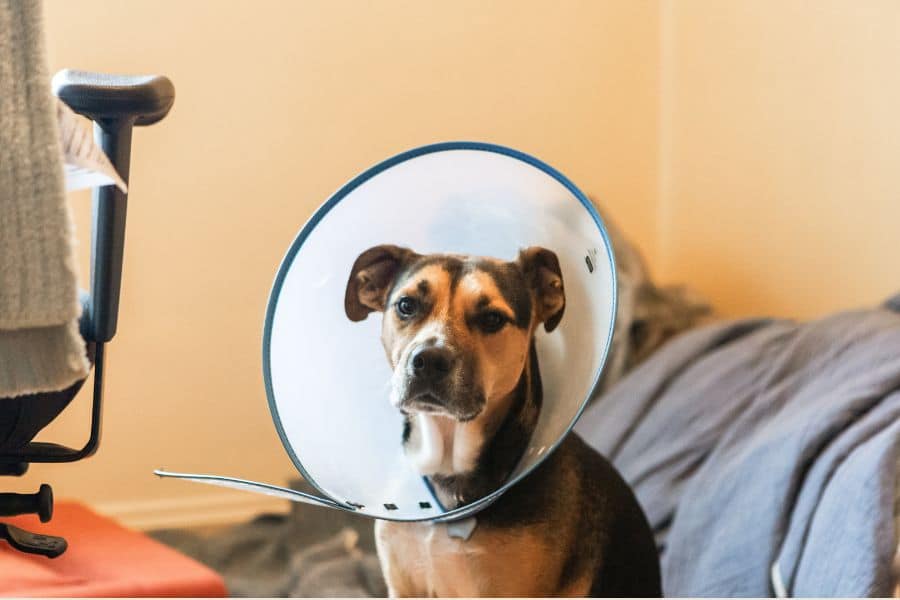
An Elizabethan collar or protective recovery collar helps prevent pets from reopening the wound.
3. Give Medications as Directed
Complete every prescribed medication exactly as instructed, even when your pet appears comfortable.
4. Monitor the Incision
Watch for swelling, redness, discharge, unpleasant odor, or opening of the surgical site.
Follow-up visits allow the care team to evaluate healing and remove drains or stitches when needed.
Possible Complications if Treatment Is Delayed
Untreated bite wounds may lead to:
- Painful abscesses
- Severe infection
- Tissue loss
- Delayed healing
- Permanent scarring
- Reduced function of affected limbs
Prompt treatment lowers these risks while improving overall recovery.
If your pet has suffered a bite injury, seeking urgent care for pets as soon as possible helps protect their health and comfort before complications develop.
Tips to Prevent Bite Injuries Between Pets
Although not every conflict can be avoided, several steps help reduce future incidents.
- Introduce unfamiliar pets gradually.
- Supervise interactions during play.
- Separate pets during feeding.
- Provide individual resting spaces.
- Address signs of fear or aggression early.
- Keep pets on secure leashes during walks.
Understanding your pet’s behavior helps reduce stressful situations that may trigger fights.
If your pet has suffered a bite wound and needs prompt medical attention, call us at 315-673-4858 to discuss urgent care services and the next available appointment.
Conclusion
Bite wounds between pets should never be dismissed as simple scratches. Hidden tissue damage and bacterial contamination often make these injuries much more serious than they appear. Early evaluation, proper wound cleaning, and surgical repair when necessary support safer healing while reducing the risk of infection and long-term complications.
Careful home monitoring and follow-up visits also play an important role in recovery. If you’re located in Marcellus, Lake Country Veterinary Care is here to provide compassionate treatment and personalized support, where compassionate care and community come together for your pet’s well-being.
Frequently Asked Questions(FAQs):
1. How can I tell if my pet’s bite wound needs surgery?
A: Deep punctures, torn skin, excessive swelling, severe pain, drainage, exposed tissue, or wounds that continue bleeding may require surgical repair. A prompt examination helps determine the safest treatment based on the injury’s depth and location.
2. Can a small bite wound become infected?
A: Yes. Small puncture wounds often trap bacteria beneath the skin, making infection possible even when the surface appears minor. Early cleaning and medical evaluation reduce the chance of painful complications and delayed healing.
3. How long does recovery take after bite wound surgery?
A: Many pets begin improving within several days. Complete healing commonly takes two to four weeks, depending on the injury, surgical repair, overall health, and how closely home care instructions are followed.
4. Will my pet need stitches for every bite wound?
A: No. Some wounds heal after thorough cleaning and medication. Others require stitches, drains, or surgical repair because of tissue damage, contamination, or wound size. Every injury is evaluated individually before treatment decisions are made.
5. Should I clean my pet’s bite wound at home?
A: You may gently prevent additional contamination while arranging medical care. Avoid applying harsh disinfectants, ointments, or human medications unless specifically instructed. Professional cleaning removes bacteria hidden beneath the skin more effectively.
6. What should I do immediately after my pet is bitten?
A: Keep your pet calm, limit movement, control active bleeding with gentle pressure if needed, and seek prompt medical care. Early treatment improves healing, reduces infection risk, and helps identify hidden injuries before they worsen.




Ready to see us?
We proudly bring lifelong wellness to the pets of Skaneateles, Marcellus, Tully, Lafayette, and beyond. Easily request an appointment for your pet using our online system!