
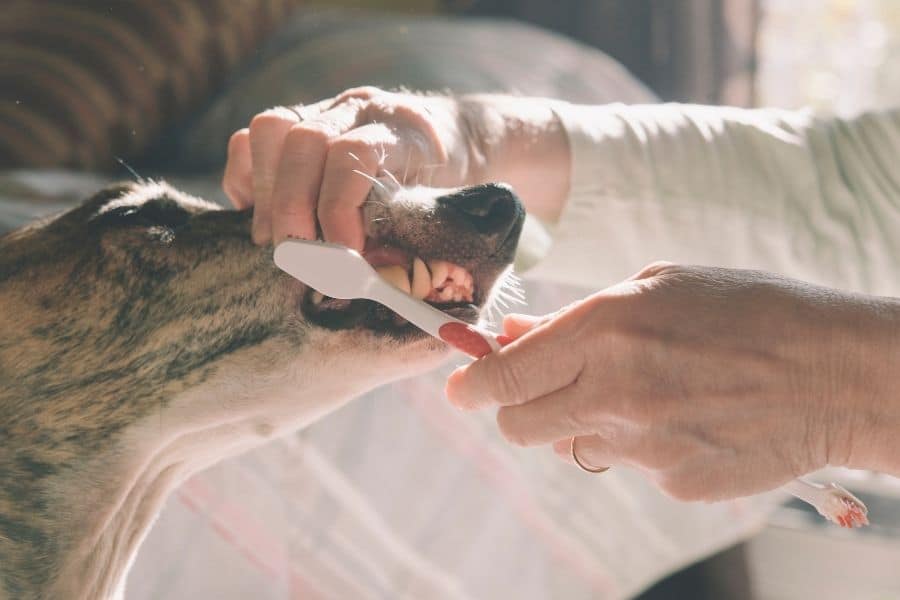
Pets often hide discomfort. A dog may keep eating despite a cracked tooth. A cat may stop grooming instead of crying out. Dental pain can appear through behavior changes, eating habits, drooling, or facial sensitivity. This guide covers warning signs, symptoms needing prompt attention, safe home steps, and professional assessment. Swelling, bleeding, severe drooling, trouble eating, or sudden behavior changes deserve timely attention. For pet parents in Marcellus, knowing when to seek urgent care can make a stressful situation easier.
Why Dental Pain Can Be Hard to Recognize
Animals rarely show pain in ways people easily identify. Some continue eating despite discomfort. Others chew on one side or choose softer meals. Cats may become quiet or withdrawn. Dogs may seem restless, irritable, or less interested in play.
A painful tooth can remain beneath the gumline and escape casual inspection. Gum inflammation, an injured tooth, an oral infection, or an object caught around the teeth can cause discomfort without an obvious injury.
Signs Your Pet May Have Dental Pain
Changes Around Food
Watch for dropping kibble, chewing slowly, refusing hard treats, taking longer to finish meals, or approaching food and walking away. A sudden preference for wet food may signal mouth discomfort.
Mouth and Face Changes
Excessive drooling, pawing at the mouth, blood on toys, stronger bad breath, facial swelling, or cheek sensitivity deserves attention. A pet may pull away when you touch the muzzle.
Behavior Changes
Pain can affect personality. A normally friendly pet may avoid contact, hide, sleep more, growl when approached, or lose interest in favorite activities. These changes can be mistaken for moodiness.
When Dental Pain Needs Urgent Attention
Some signs should not wait for a routine appointment. Facial swelling, active bleeding, severe pain, inability to eat or drink, weakness, or difficulty breathing require prompt assessment.
A broken tooth with exposed tissue can hurt and may allow bacteria deeper into the tooth. An infected tooth can cause swelling and tenderness. A foreign object can injure tissue. A sudden change in eating or behavior can signal a problem needing evaluation.
Use urgent care for pets when your pet develops sudden or intense symptoms that concern you. A prompt examination can identify the source of pain and determine appropriate treatment.
What You Can Do Before Care
Keep your pet calm. Offer water if your pet can drink comfortably. Soft food may be easier than hard kibble. Avoid forcing food, opening the mouth repeatedly, or touching a painful area.
Do not give human pain relievers unless a qualified professional specifically instructs you to do so. Several common medications can be dangerous for dogs and cats. Do not pull out a deeply lodged object or attempt to repair a damaged tooth at home.
Call us at 315-673-4858 if your pet shows concerning dental pain signs, and you need guidance about the appropriate level of care.
How Dental Problems Are Evaluated
A professional assessment begins with your pet’s history and a look at the mouth. The clinician may check the teeth, gums, jaw, tongue, and surrounding tissues. Some dental problems cannot be fully assessed while a pet is awake.
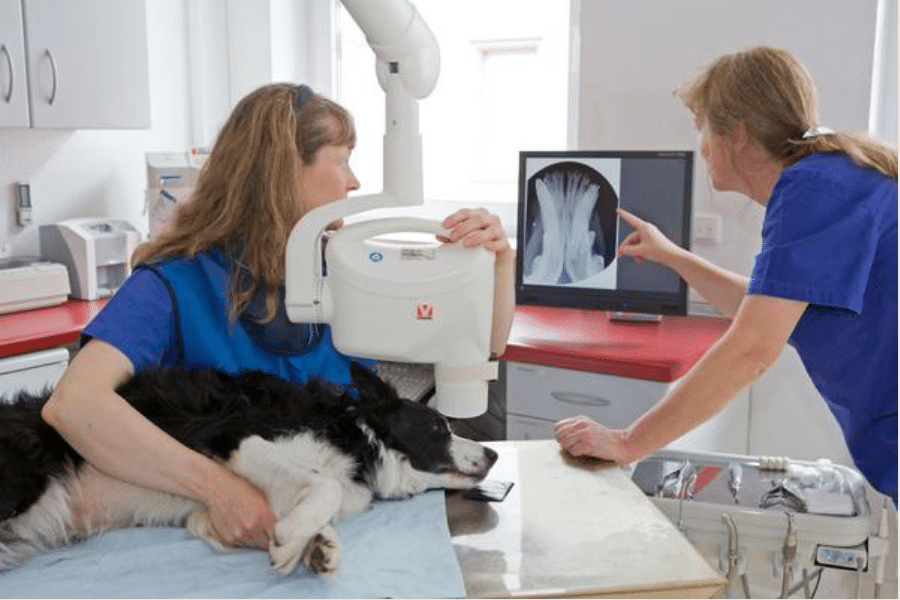
Dental imaging may be recommended for a tooth injury, root problem, or disease beneath the gumline. Treatment depends on the cause and may include pain control, cleaning, repair, or removal.
Tell the care team when signs started, what your pet ate, whether there was an injury, and which behavior changes you noticed.
Preventing Future Dental Pain
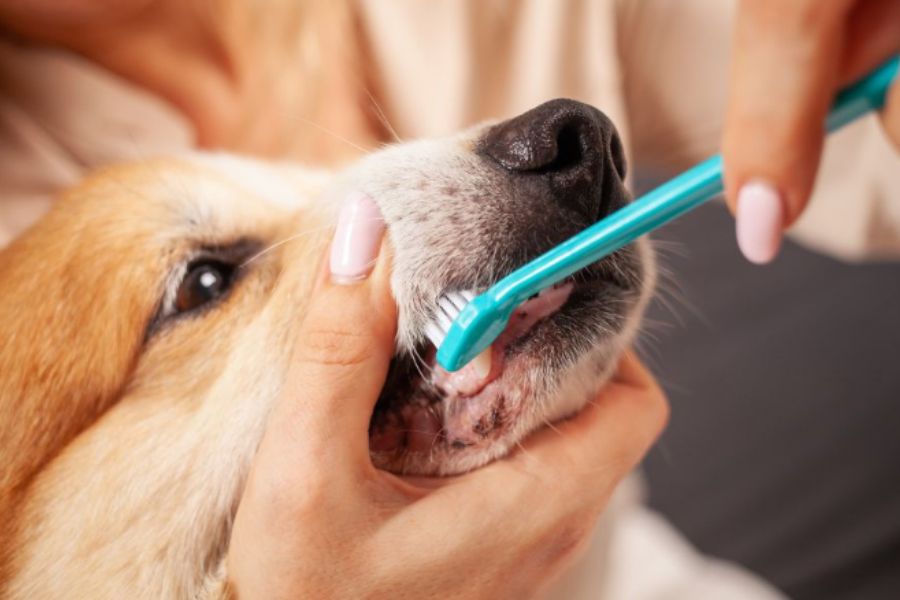
Daily tooth brushing with pet-safe toothpaste supports oral health. Dental diets and regular professional cleanings may support healthier teeth and gums.
Look inside your pet’s mouth when they are relaxed. Watch for tartar, red gums, broken teeth, swelling, unusual odor, or chewing changes. Routine checks can identify problems before pain becomes severe.
Conclusion
Pet dental pain can appear as a quiet change rather than an obvious crisis. Watch eating habits, drooling, breath odor, facial changes, mouth sensitivity, and behavior. Prompt attention can reduce discomfort and prevent dental problems from becoming more complicated. Home care has a role, but painful, swollen, bleeding, or damaged mouths need professional assessment.
If you are in Marcellus, Lake Country Veterinary Care offers compassionate support when your pet’s oral health needs attention. The team focuses on communication and your pet’s comfort.
Frequently Asked Questions(FAQs):
1. How can I tell if my dog has a painful tooth?
A: A dog with dental pain may drool, chew on one side, drop food, avoid hard treats, paw at the mouth, develop stronger breath odor, or become quiet, irritable, or reluctant to be touched.
2. How do I know if my cat’s mouth hurts?
A: Cats may hide oral discomfort. Signs include refusing dry food, swallowing without chewing, drooling, pawing at the mouth, grooming less, hiding, or reacting negatively when the face is touched at home.
3. Is bad breath a sign of dental disease in pets?
A: Persistent or stronger bad breath can point to plaque, gum disease, infection, or another oral problem. Breath odor alone does not identify the cause, so an examination can provide clearer answers.
4. What should I do if my pet breaks a tooth?
A: Keep your pet comfortable and avoid hard treats or chew toys. Do not handle the damaged area. A broken tooth can expose sensitive tissue, so prompt assessment is appropriate when pain or bleeding is present.
5. Can dental pain make a pet stop eating?
A: Yes. Pain can make chewing difficult or uncomfortable. Some pets refuse food, eat slowly, drop pieces, or choose softer foods. Reduced appetite deserves attention, especially with drooling, swelling, or behavior changes.
6. How often should my pet’s teeth be checked?
A: Pets benefit from regular oral examinations. The ideal schedule depends on age, breed, dental problems, and home care. Your pet’s care team can recommend an examination frequency based on individual needs.

Ready to see us?
We proudly bring lifelong wellness to the pets of Skaneateles, Marcellus, Tully, Lafayette, and beyond. Easily request an appointment for your pet using our online system!